

We Talk to Ourselves
There is something strangely comforting about hearing your own voice when the room is empty. Almost everyone talks to themselves, even if they don’t admit it. Sometimes it’s a quiet whisper.
Sometimes it’s a full conversation in the mirror. Other times, it’s just thinking out loud while making tea in the kitchen at midnight.
Talking to yourself is not weird. It’s human.

When no one is around, we finally say the things we hide during the day. We replay arguments. We practice future conversations. We motivate ourselves before a big decision. In these private moments, we become honest. We drop the filters.
This simple habit supports mental health, improves self-awareness, and strengthens emotional clarity. When we speak our thoughts out loud, they become easier to understand. We begin to notice patterns — our fears, our insecurities, and our hidden strengths.
Sometimes, the most important conversations in life are the ones we have with ourselves.
We Scroll Without Purpose
It usually starts with “just five minutes.”
You lie in bed. The lights are off. The world is quiet. Your phone lights up your face, and suddenly you’re scrolling without even knowing why.
This habit has become part of modern human behavior. When no one is watching, we consume content freely. We compare our lives. We feel inspired. Or insecure. Or entertained.

Late-night scrolling often reflects our emotional state. Are we bored? Avoiding thoughts? Looking for connection? Searching for validation?
Understanding this habit is important for digital wellness. Technology is not the enemy, but mindless use can drain energy and disturb sleep. When we are alone, our real habits appear. And those habits quietly shape our lifestyle.
The way we use our time in private defines our discipline in public.
We Dance, Sing, and Act Silly
Close the door. Turn up the music. And suddenly, you are the main character.
You sing louder than you ever would in public. You dance without worrying about how you look. You perform imaginary interviews in the mirror. You laugh at yourself.
Why?
Because no one is judging.

When we are alone, we allow ourselves to feel joy without limits. This kind of self-expression is powerful. It reduces stress. It boosts mood. It reminds us that happiness does not need an audience.
The playful side we hide during the day often appears at night. And it’s beautiful. It shows that deep inside, we still carry childlike freedom.
Sometimes, the most authentic version of you is the one dancing alone in your room.
We Overthink the Past
Night has a strange effect on memory.
When everything becomes silent, thoughts grow louder. We replay old conversations. We rethink mistakes.
We question our choices.
“Why did I say that?”
“I should have tried harder.”
“What if I chose differently?”
Overthinking is common during quiet hours. While too much can increase anxiety, some reflection helps build emotional intelligence and supports personal growth.
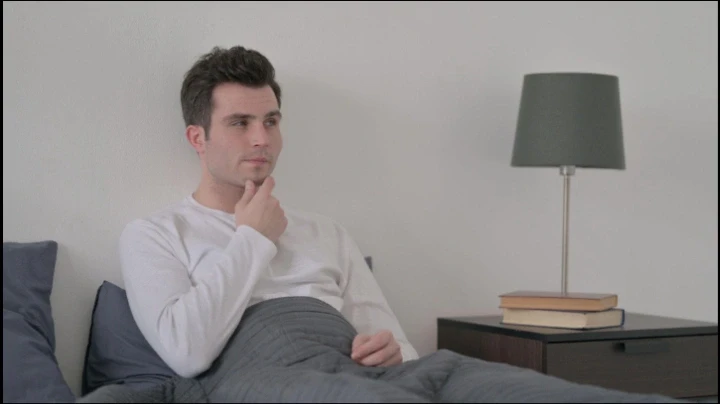
In these private moments, we learn from ourselves. We identify patterns. We promise to do better next time.
The key is balance. Reflection should guide improvement, not create self-punishment.
When no one is watching, we confront our past honestly. And that honesty helps us grow.
We Cry Quietly
Not every tear needs an explanation.
Sometimes emotion builds slowly during the day. We stay strong in front of others. We smile. We say, “I’m fine.”
But when the room is empty, the truth surfaces.
Crying alone is not weakness. It is emotional release. It supports mental well-being and clears internal pressure. After crying, many people feel lighter, calmer, and clearer.

Society often teaches us to hide vulnerability. But in private, we allow ourselves to feel deeply. And that is healthy.
Strength is not pretending to be unbreakable. Strength is allowing yourself to heal quietly.
We Dream Bigger Than We Admit
In silence, imagination becomes bold.
We picture success. A new business idea. A different city. A healthier lifestyle. A better version of ourselves.
When no one is watching, we dream without fear of judgment. There is no one to laugh. No one to doubt us.

This is where goal setting, self-improvement, and personal development begin — not on social media, but in quiet belief.
Every achievement starts as a private thought.
The goals you write in your notebook at 1 a.m. might be the same goals that change your life one day.
We Drop the “Strong” Mask
During the day, we play roles.
We act confident. Responsible. Mature. In control.
But at night, when no one is watching, we admit we are tired. We question ourselves. We sit silently and stare at the ceiling.
And that is okay.
These moments build true self-awareness. They allow us to reconnect with our emotions. They remind us that being human means having doubts sometimes.
The strongest people are not those who never feel weak. They are the ones who face their weaknesses privately and continue anyway.
Final Thoughts
What you do when no one is watching shapes who you become when everyone is watching.
Your private habits create your public character.
If you spend your alone time dreaming, reflecting, learning, and healing — your future will reflect that.
If you spend it escaping, comparing, and doubting yourself — that will show too.
The quiet version of you matters.
So next time you find yourself:
- Talking to yourself in the mirror
- Crying silently at night
- Dancing freely in your room
- Overthinking old memories
- Writing down impossible dreams
Don’t judge it.
These are not strange behaviors. They are signs of a thinking, feeling, growing human being.
In a world that constantly demands performance, your private moments are sacred. Protect them. Use them wisely. Grow inside them.
Because at the end of the day, when the noise disappears and the lights turn off, the only person left in the room is you.
And the relationship you build with yourself — when no one is watching — will define everything.
- 7 Young Stars You will Be Seeing Everywhere in 2026

- Pick a Chair: This Personality Test Might Reveal More About You



About the Author
Hassan is the founder and editor of MidnightReads, a publication featuring thoughtful stories, human-interest articles, history, relationships, and entertaining reads.
He is involved in researching, writing, and editing content for the site, with a focus on creating original, clear, and useful articles that give readers something meaningful to take away.
Hassan believes good content should inform, entertain, and encourage curiosity.
— Hassan, Founder & Editor, MidnightReads