
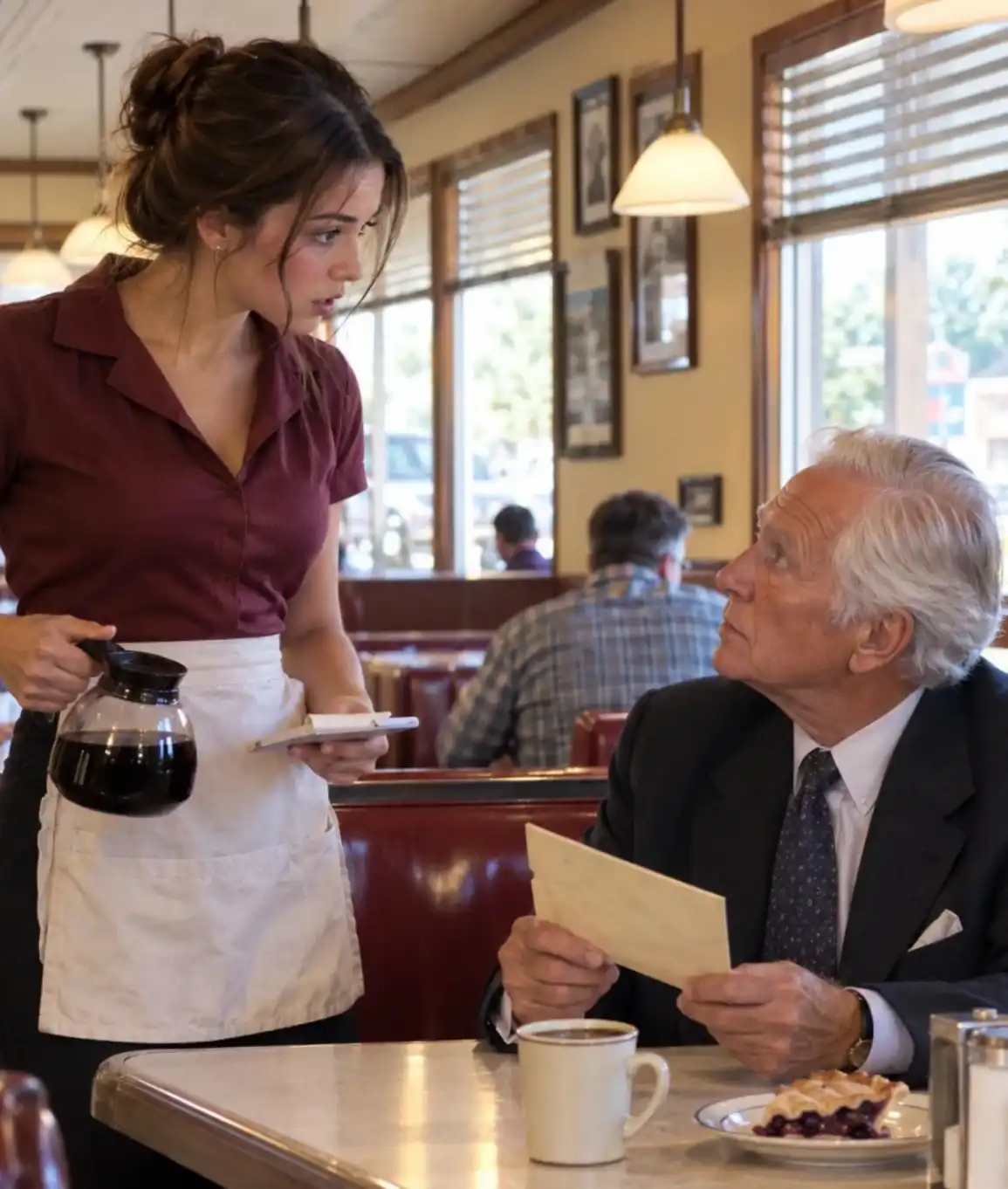
“I’m not here for lunch,” the old man said. “I’m here for you. I want you to marry my son.”
For several seconds, I couldn’t think of anything to say. The diner around me continued as usual—forks tapping against plates, coffee being poured behind the counter, a family laughing near the window—but everything sounded strangely distant. I was standing beside table seven with a tray in my hands, staring at a complete stranger who had just asked me to marry a man I had never met.
He didn’t look embarrassed by what he’d said. He looked completely serious. His dark suit was neat, his silver hair carefully combed, and an old leather watch rested beneath the cuff of his shirt. There was something unusual about him, not because he looked wealthy, but because he carried himself like someone who had already made several difficult decisions before walking through the diner’s front door.
“You’ve got to be kidding me,” I finally said.
“I’m not.”
“Sir, I don’t even know you.”
“I know.”
That answer made me more uncomfortable than the proposal itself. I glanced toward the counter, hoping Tasha might notice the strange conversation and come over. She was busy arranging clean glasses. Two truck drivers were arguing about football, and a little girl at the next table was trying to convince her mother that pancakes counted as dessert.
I lowered my voice. “Who are you?”
“My name is Walter Bennett.”
“And your son?”
“Daniel.”
I shook my head. “I don’t know any Daniel Bennett.”
Walter studied my face for several seconds before answering. “You don’t know him yet.”
I wasn’t sure whether to laugh or walk away.
“I think you’ve got the wrong person.”
“No,” he said quietly. “I’m afraid I don’t.”
He reached inside his jacket, and I instinctively stepped backward. He immediately stopped and raised his hands.
“I’m sorry. I should have handled this differently.”
Instead of reaching farther into his coat, he slowly removed a small brown envelope and placed it on the table.
“I didn’t come here to frighten you,” he said. “I came because there is something you need to see.”
I remained standing.
“What is it?”
“Something that belongs to a story you probably don’t remember.”
That sentence made me hesitate.
I finally sat across from him, keeping my order pad in my lap.
Walter pushed the envelope toward me.
“Open it.”
I looked at him suspiciously. “Why?”
“Because once you see what’s inside, you’ll understand why I know who you are.”
I opened the envelope.
The first thing I saw was a photograph.
A young man stood beside an old blue pickup truck. He was probably in his early thirties, with dark hair and a serious expression. I studied his face for a few seconds before an old memory surfaced.
The truck.
The rain.
The diner.
My breath caught.
“I know him.”
Walter nodded.
“You do.”
Eight years earlier, on a miserable November evening, a young man had walked into the diner shortly before closing. His clothes were soaked, and his truck had broken down several miles outside town. He had sat in the same booth where Walter was sitting now.
He ordered coffee.
Nothing else.
At the time, I had been twenty-six and working two jobs while taking classes at the community college. I remembered being tired that night, but I also remembered noticing something unusual about the young man. He kept staring through the window at the rain as if he was hoping it would wash away something he couldn’t escape.
When I brought him the check, I noticed he hadn’t touched anything except the coffee.
I went into the kitchen, ordered a grilled cheese sandwich and a bowl of soup, and told him the kitchen had accidentally made an extra meal.
He had looked at me for a long moment.
“You sure?”
“It’s going to be thrown away otherwise.”
It wasn’t true.
But he ate everything.
Before leaving, he thanked me and walked into the rain.
I had forgotten about him within a few weeks.
Walter hadn’t.
“That was my son,” he said.
I looked down at the photograph again.
“His name was Dan.”
“Daniel Bennett.”
I looked at Walter.
“Why didn’t he tell me?”
“Because he probably didn’t think you’d remember.”
I couldn’t argue with that.
Then Walter told me what had happened before Daniel entered the diner.
His six-year-old daughter, Emma, had died three months earlier after a serious illness. Daniel had been struggling with the loss and had withdrawn from almost everyone around him. On the night he came into the diner, he had been driving home after visiting her grave.
“He wasn’t doing well,” Walter said. “Much worse than he let anyone know.”
I looked at the photograph.
“What did the sandwich have to do with it?”
Walter’s expression softened.
“He told me later that it was the first time in months that a stranger had treated him like a person instead of someone broken by grief.”
I didn’t know what to say.
“It was just soup and a sandwich.”
“To you,” Walter said. “To him, it was proof that the world hadn’t completely forgotten how to be kind.”
I looked away.
I had no idea that a meal I barely remembered had stayed with someone for eight years.
Walter leaned back.
“My son eventually rebuilt his life. He runs the family hardware business now. He employs almost thirty people and spends his weekends helping at the community center. He’s responsible, respected, and financially secure.”
“That sounds like he’s doing fine.”
“He is,” Walter said. “But being fine and being happy aren’t always the same thing.”
I waited.
“He doesn’t let people close.”
I understood what he meant, but I still didn’t understand why any of it involved me.
“You’re asking me to marry a man because I gave him a sandwich eight years ago?”
“No.”
Walter’s answer came immediately.
“I am not asking you to marry him because of that sandwich.”
“Then what are you asking?”
He looked toward the window.
“My son remembered you.”
I frowned.
“How?”
“He remembered your kindness. He remembered that you didn’t ask questions. He remembered that you noticed he was hungry and helped him without making him feel ashamed.”
I shook my head.
“That’s not enough to build a marriage on.”
“I agree.”
For the first time, Walter smiled.
“That is exactly why I came here.”
I didn’t understand.
“My son asked me a question three months ago,” he explained. “He asked me what I thought happiness looked like.”
“What did you tell him?”
“That I didn’t know anymore.”
Walter’s voice became quieter.
“He told me he thought happiness might look like the waitress from the diner who gave him dinner when he couldn’t afford it.”
I stared at him.
“That isn’t fair to either of us.”
“No,” Walter said. “It isn’t.”
He took a slow breath.
“And that is why I nearly stayed home today.”
I noticed his hand tremble slightly as he reached for his coffee.
“Then why didn’t you?”
“Because I have cancer.”
The words landed heavily.
I didn’t know what to say.
Walter looked down at his hands.
“My doctors aren’t certain how much time I have. I could have several months. I could have longer. But I know I don’t have forever.”
“I’m sorry.”
“Thank you.”
He stared at the photograph of his son.
“My biggest fear isn’t dying. It’s leaving Daniel alone again.”
I understood then that this wasn’t really about finding his son a wife.
Walter was a father trying to make peace with the possibility that he wouldn’t be there to protect his child anymore.
Still, I couldn’t let him turn me into part of that solution.
“You can’t choose his wife for him,” I said.
“I know.”
“And you can’t choose my future either.”
“I know that too.”
He reached into his jacket again, but this time he pulled out a business card.
“My son’s number is on the back.”
I didn’t take it.
“He doesn’t know I’m here.”
That surprised me.
“Then what happens if I call him?”
“That’s entirely your decision.”
Walter stood up.
“I won’t ask you to marry him again.”
I looked at him.
“Then why did you ask me in the first place?”
He gave me a tired smile.
“Because I wanted to see whether the woman I remembered from eight years ago still existed.”
I glanced toward the counter.
At that exact moment, Tasha was handing a leftover container to an elderly customer who had been counting coins at the register.
Walter followed my eyes.
“You still do it,” he said.
I looked back at him.
“Do what?”
“Make people feel less embarrassed about needing help.”
I didn’t know what to say.
Walter left the diner without another word.
I watched him cross the parking lot and disappear into an old black sedan.
For the rest of my shift, I kept looking at the business card.
I told myself I wouldn’t call.
At 9:47 that night, I called anyway.
A man answered after two rings.
“Hello?”
“Is this Daniel Bennett?”
There was a pause.
“Yes.”
“My name is Claire.”
Another pause.
Then he said, “I know.”
I sat down on my bed.
“My father told you about me?”
“Yes.”
“What did he tell you?”
“Enough.”
I smiled despite myself.
“He told me about the diner.”
Daniel was silent for a moment.
“Did he show you the photograph?”
“Yes.”
“I thought he might.”
There was something calm about his voice, but underneath it I could hear the same sadness I remembered from that rainy night.
We agreed to meet the next evening at the community center.
When I arrived, Daniel was teaching a small woodworking class to a group of teenagers. He was wearing jeans and a gray sweatshirt, and there was sawdust on his sleeves.
He looked nothing like the wealthy businessman I had imagined.
When he noticed me, he smiled.
“You really don’t remember me, do you?”
I smiled back.
“I remember the truck.”
He laughed.
“That’s better than nothing.”
We sat outside after the class.
For the first hour, neither of us mentioned marriage.
Instead, we talked about ordinary things. He told me about the hardware store, the community center, and his father’s habit of fixing things that didn’t need fixing. I told him about my job, my family, and why I had stayed in our small town even when I had opportunities to leave.
Eventually, Daniel told me about Emma.
He didn’t describe her death in painful detail. He talked about her life instead. She loved purple sneakers, hated peas, and insisted on taking seven stuffed animals to bed every night.
I realized that was how he wanted people to remember her.
Not as the worst day of his life, but as a little girl who had made his life brighter while she was here.
When we finally stood to leave, Daniel said something I didn’t expect.
“My father shouldn’t have done this.”
I knew exactly what he meant.
“No,” I said. “He shouldn’t have.”
“He thinks he has to arrange everything before he leaves.”
“Maybe he’s scared.”
“He is.”
Daniel looked toward the empty parking lot.
“So am I.”
That was the first honest thing either of us had said that evening.
Over the next few weeks, we kept meeting.
There was no instant romance.
No magical moment.
No sudden certainty that we were destined to be together.
There were awkward conversations and disagreements. There were evenings when we sat across from each other and discovered how different we were.
But there was also something else.
Trust.
Daniel slowly learned that he didn’t have to hide his difficult days from me.
I learned that his quietness wasn’t arrogance and that his father’s wealth hadn’t protected him from ordinary human pain.
And somewhere between coffee at the diner and walks through town, I stopped thinking of him as the stranger from the photograph.
He became Daniel.
Six weeks later, Walter’s health declined quickly.
Daniel moved him into his home, and I visited whenever I could.
One afternoon, Walter asked to speak with me privately.
“I owe you an apology,” he said.
“You already apologized.”
“I owe you another one.”
He looked toward the doorway where Daniel was making coffee.
“I brought you into something that wasn’t yours to fix.”
I smiled.
“I wasn’t trying to fix anything.”
“I know.”
Walter’s eyes filled with tears.
“That is probably why it worked.”
I didn’t understand.
“You didn’t try to rescue Daniel,” he continued. “You simply treated him like a person.”
He looked toward the hallway.
“I spent years trying to make his life better. I should have spent more time simply being there.”
I reached over and held his hand.
“You did what you thought was right.”
“Maybe.”
He smiled.
“But I finally learned something.”
“What?”
“You can’t build someone else’s happiness for them.”
Those were the last words we ever discussed.
Walter died six weeks later.
His funeral filled the small church in town. Employees from his company stood beside neighbors, old friends, community workers, and people whose names I didn’t recognize.
Daniel stood beside me throughout the service.
Afterward, we walked slowly toward his car.
He reached into his jacket and pulled out the same brown envelope Walter had given me months earlier.
“You should keep this,” he said.
I opened it.
The photograph of Daniel and his truck was still there.
But on the back, there was a handwritten sentence I had never seen.
Sometimes the person who changes your life never knows they did it.
I looked at Daniel.
“When did he write this?”
“The night he first saw you give me that sandwich.”
I smiled sadly.
“I wish I had known.”
“Would it have changed what you did?”
I thought about it.
“No.”
“Exactly.”
He folded the photograph and placed it back inside the envelope.
Then he took my hand.
“I need you to know something.”
“What?”
“I don’t want to marry you because my father wanted it.”
I waited.
“I don’t want to marry you because you helped me once.”
He looked directly into my eyes.
“I want to marry you because after getting to know you, I realized that you’re the person I want beside me when nothing dramatic is happening. When we’re tired. When the bills need paying. When dinner burns. When one of us has had a terrible day. I want the ordinary life with you.”
I laughed softly through my tears.
“That is a much better proposal.”
He smiled.
“Is that a yes?”
I pretended to think about it.
“No.”
His expression fell.
Then I laughed.
“Yes, Daniel. It’s a yes.”
He pulled me into his arms, and for a moment I thought about that rainy night eight years earlier when I had handed a grieving stranger a bowl of soup and a grilled cheese sandwich.
I hadn’t known his name.
I hadn’t known his story.
I certainly hadn’t known that one small act would eventually bring us together.
That is the strange thing about kindness.
We often imagine that the important moments in life will announce themselves. We expect them to arrive with certainty, celebration, or some obvious sign that we should pay attention.
But sometimes the moments that matter most look completely ordinary while they’re happening.
A meal given to someone who can’t afford it.
A chair pulled out for someone who feels alone.
A conversation where you decide to listen instead of judge.
You may never know what those moments mean to the person receiving them.
And you may never see where they lead.
I thought Walter Bennett had walked into that diner to choose a wife for his son.
He hadn’t.
He walked in because he was afraid of leaving his son behind.
In the end, neither of us got the future he had tried to arrange.
We got something better.
We got a future that Daniel and I chose together.
Editor’s Note
This story is a fictionalized human-interest narrative created for entertainment. While the characters and events are fictional, the story explores real themes of kindness, grief, family, forgiveness, and the unexpected ways a small act of compassion can affect someone’s life.
Trending Posts
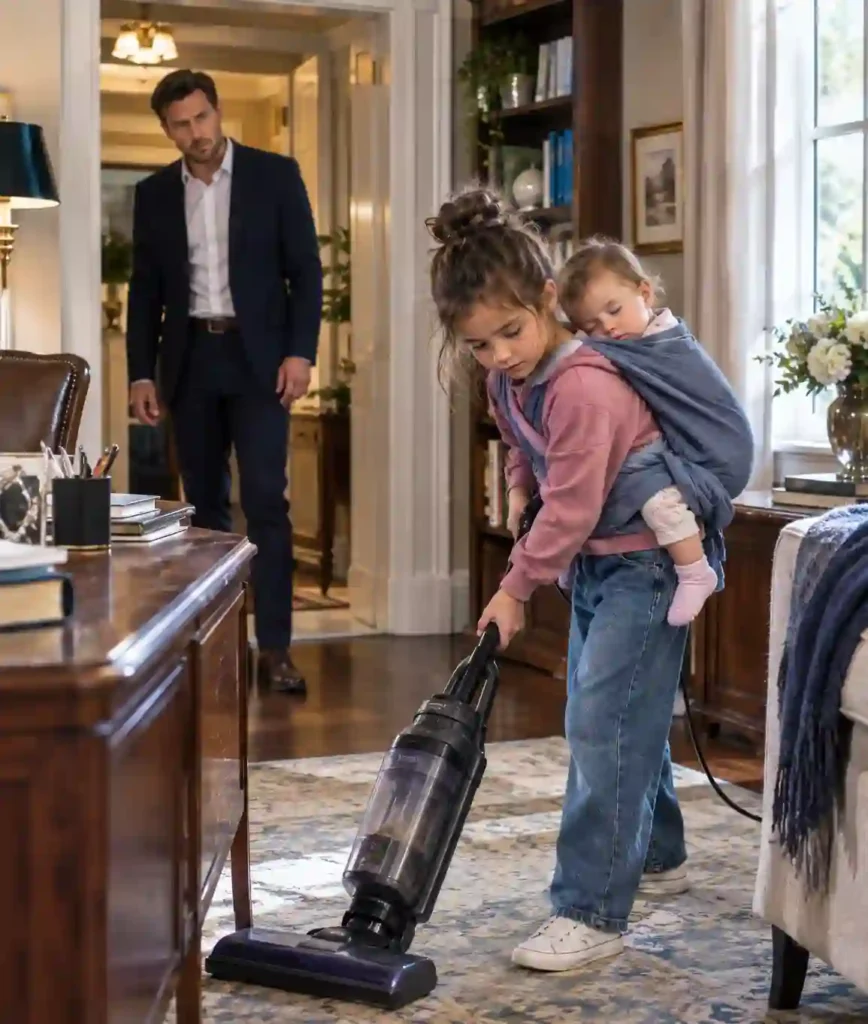
- I Found a Six-Year-Old Girl Cleaning My Study at 2 A.M. With a Baby on Her Back, Then She Pointed to My Library Wall and Asked Why Someone Was Knocking Behind It

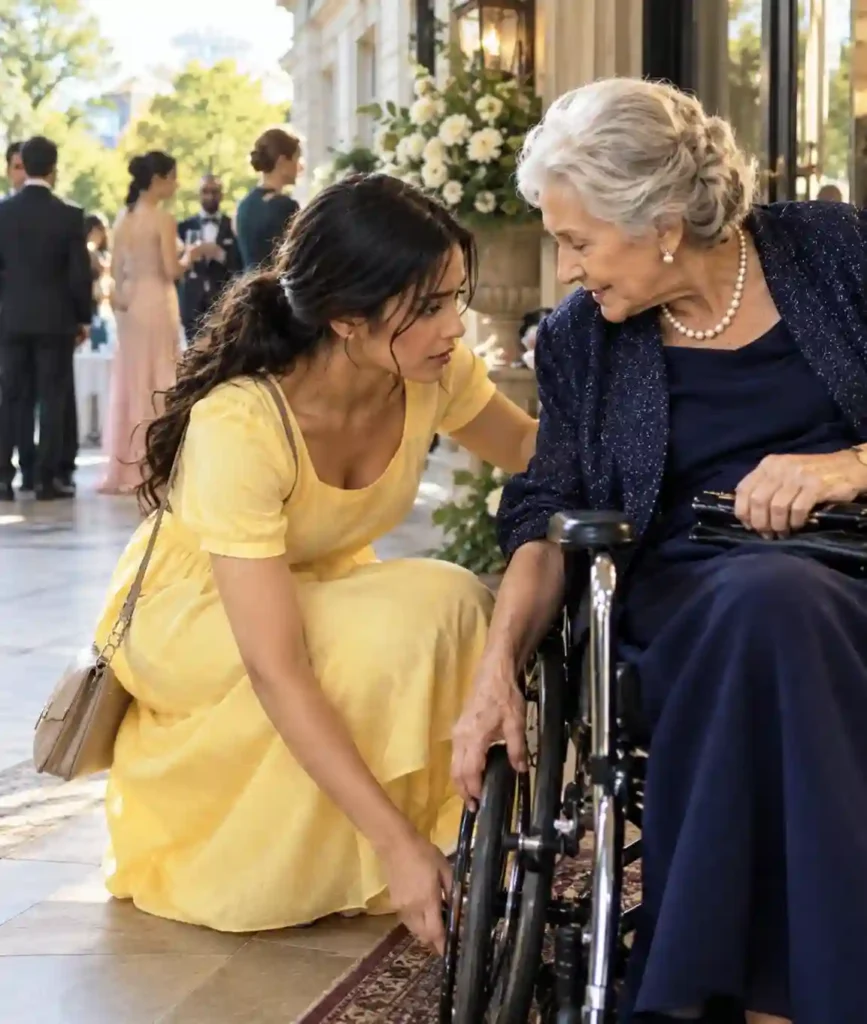
- Poor Girl Was Mocked for Her Cheap Yellow Dress at a Luxury Wedding—Minutes Later, She Stopped to Help an Elderly Woman Who Changed Her Life

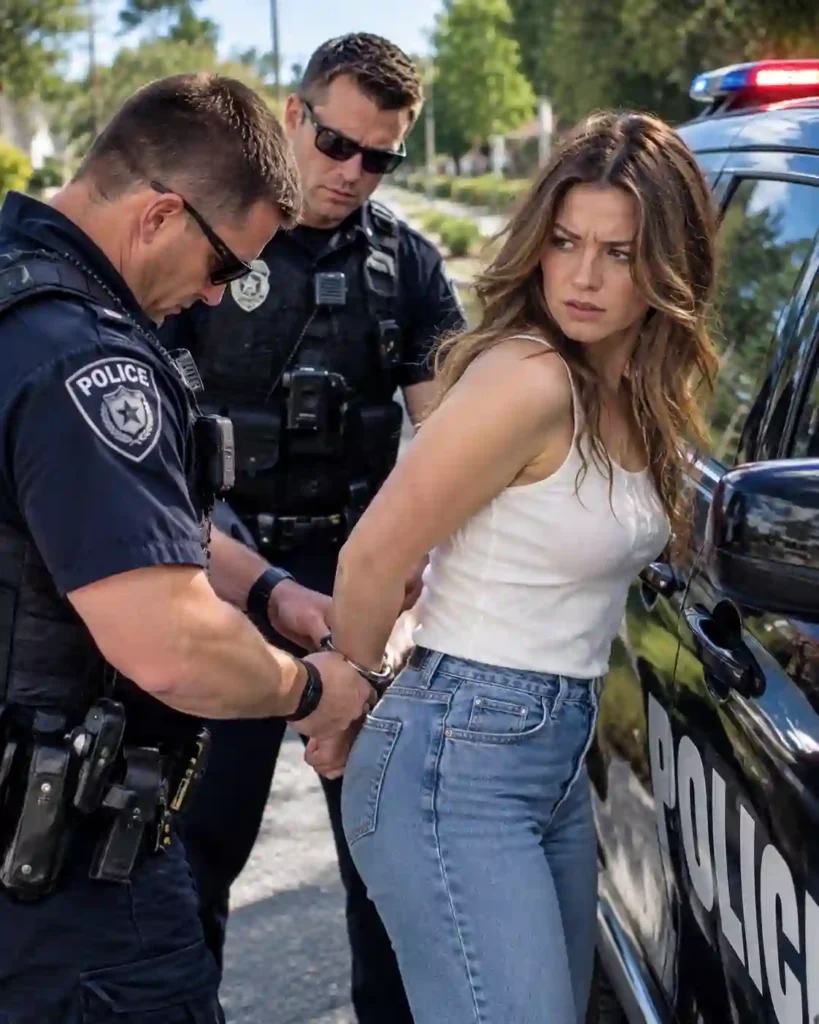
- Two Traffic Officers Pulled a Young Woman From Her Car and Handcuffed Her, Then One Thing in Her Pocket Changed the Entire Stop

- The Billionaire Saw His Fiancée Push the Maid Off the Building, What He Did Next Left the Entire City in Shock
- I Came Home From the Military Early and Found My Wife Unconscious in the Snow while My Mother Said, “She Finally Learned Where She Belongs”
- My Divorce Had Been Final for Seven Months When a Midnight Hospital Call Revealed My Ex-Wife Had Given Birth to My Twin Sons, then a Brass Key Exposed Why She Hid Them


Hammad Ali
Co-Owner & Author
Hammad Ali is a co-owner and author at MidnightReads, contributing thoughtful and engaging articles across human-interest, life, history, relationships, and entertainment topics.
They help develop and create original, useful content designed to inform, entertain, and give readers something meaningful to take away.