How to Prevent Hair Loss: 12 Simple Habits That Help Keep Your Hair Healthy and Strong
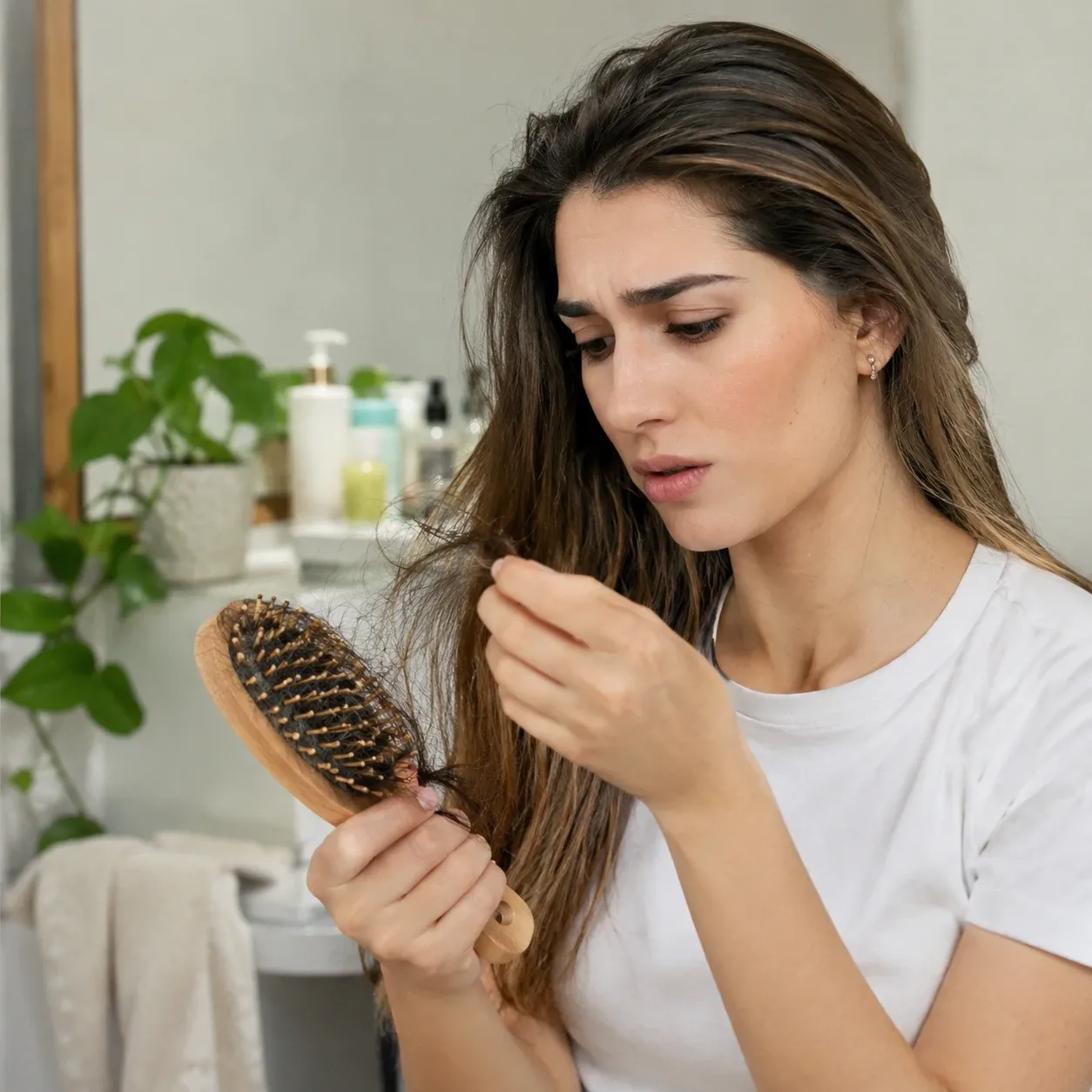
Hair is an important part of how many people express themselves and feel confident. Whether someone prefers long, thick hair or a short, simple hairstyle, noticing more strands than usual in the shower, on a pillow, or in a hairbrush can be upsetting.
Hair loss is a common concern among both men and women. It can happen gradually over several years or appear suddenly after illness, stress, hormonal changes, or nutritional problems. Although some types of hair loss are related to genetics and cannot always be prevented, everyday habits can make a meaningful difference in protecting hair from unnecessary damage.
The good news is that maintaining healthy hair does not always require expensive shampoos, salon treatments, or complicated beauty routines. A balanced diet, gentle hair care, and attention to your overall health can help reduce preventable hair damage and support normal hair growth.
If you have been wondering how to prevent hair loss and keep your hair looking fuller and healthier, these practical tips are a good place to start.
1. Eat a Balanced Diet That Supports Healthy Hair
One of the most important steps in maintaining healthy hair is giving your body the nutrients it needs.
Hair follicles require adequate nutrition to function normally. A diet that lacks sufficient protein, iron, zinc, or certain vitamins may contribute to hair shedding in some people.
Try including the following foods in your regular meals:
- Eggs for protein and other essential nutrients.
- Spinach and leafy greens for iron and folate.
- Fish for protein and healthy fats.
- Beans and lentils for plant-based protein and iron.
- Nuts and seeds for zinc and other minerals.
- Fresh fruits for a variety of vitamins and antioxidants.
You do not need to follow an expensive diet to support your hair. Eating a variety of nutritious foods and maintaining regular meals can help your body meet its nutritional needs.
Remember that taking extra vitamins does not automatically make hair grow faster. Supplements are most useful when a deficiency has been identified.
2. Avoid Hairstyles That Pull Too Tightly
Your favorite hairstyle could be contributing to hair damage without you realizing it.
Tight ponytails, braids, buns, cornrows, and extensions can place repeated tension on hair follicles. Over time, this may lead to a condition called traction alopecia.
This type of hair loss often affects the hairline, temples, and areas where the hair is pulled most tightly.
To protect your hair:
- Choose loose ponytails instead of tightly pulled hairstyles.
- Avoid sleeping with tightly secured hairstyles.
- Give your hair regular breaks from extensions.
- Use soft hair ties without metal parts.
- Stop wearing a style if it causes pain or discomfort.
A hairstyle should never leave your scalp feeling constantly tight or sore. Reducing tension early can help prevent permanent damage.
3. Be Gentle When Washing Your Hair
Washing your hair is important for keeping your scalp clean, but rough handling can cause unnecessary breakage.
Avoid aggressively rubbing your hair, scratching your scalp with your fingernails, or twisting wet strands into a tight towel.
Instead, massage shampoo gently into your scalp using your fingertips. Allow the shampoo to clean the hair as you rinse rather than scrubbing the lengths of your hair.
Use conditioner after washing, especially on the middle and ends of your hair. Conditioner helps reduce friction, making strands easier to comb and less likely to break.
Choose products according to your hair type and scalp condition. There is no single shampoo that works perfectly for everyone.
4. Limit Excessive Heat Styling
Hair dryers, straighteners, curling irons, and other heated tools can make styling easier, but frequent high-temperature use can weaken hair fibers.
Repeated heat exposure may leave hair dry, rough, brittle, and more likely to break.
You do not necessarily have to stop styling your hair completely. Instead, consider making a few adjustments:
- Use a lower heat setting.
- Allow your hair to air-dry when practical.
- Apply a suitable heat-protectant product before styling.
- Avoid repeatedly passing a straightener over the same section.
- Give your hair occasional breaks from heated tools.
Remember that hair breakage and hair loss from the roots are not the same thing. Reducing heat damage can help preserve hair length and fullness, even though it does not treat every medical cause of hair loss.
5. Manage Stress and Give Your Body Time to Recover
Long periods of physical or emotional stress can affect the normal hair growth cycle.
Some people experience a condition called telogen effluvium, in which more hairs than usual enter the shedding phase. It can happen after a major illness, surgery, childbirth, significant weight loss, or an emotionally difficult period.
The increased shedding may not become noticeable until several weeks or months after the triggering event.
You can support your overall well-being by:
- Getting consistent, adequate sleep.
- Taking regular walks or doing gentle exercise.
- Making time for relaxing activities.
- Maintaining a balanced eating routine.
- Seeking support when stress becomes difficult to manage.
Stress management cannot prevent every form of hair loss, but it can support general health and recovery.
6. Avoid Frequent Chemical Treatments
Hair coloring, bleaching, relaxing, and permanent chemical treatments can change the structure of hair strands.
When used too frequently or incorrectly, these treatments can leave hair weak, dry, and vulnerable to breakage.
If you enjoy changing your hair color or style, take precautions:
- Avoid combining multiple harsh treatments in a short period.
- Follow product instructions carefully.
- Do not apply chemical products to an irritated or damaged scalp.
- Consider professional help for complicated treatments.
- Give your hair enough time to recover between treatments.
If you notice burning, significant irritation, or unusual hair breakage after a chemical treatment, stop using the product and seek appropriate advice.
7. Do Not Ignore Scalp Problems
Healthy-looking hair starts with a healthy scalp.
Conditions such as dandruff, seborrheic dermatitis, psoriasis, fungal infections, and scalp inflammation can cause itching, irritation, and sometimes temporary hair shedding.
Pay attention to warning signs such as persistent itching, redness, scaling, pain, sores, or unusual patches of hair loss.
Avoid scratching your scalp aggressively because this can worsen irritation and damage the hair.
Use appropriate scalp-care products, and consult a dermatologist if symptoms persist or you notice unexplained shedding.
Treating the underlying scalp condition is often more useful than simply switching shampoos repeatedly.
8. Get Enough Protein Every Day
Hair is primarily made of a protein called keratin. This is one reason adequate protein intake is important for normal hair health.
When someone regularly consumes too little protein, the body may not have the nutritional resources it needs to maintain normal functions, including healthy hair growth.
Good sources of protein include:
- Chicken and turkey.
- Fish and seafood.
- Eggs.
- Milk and yogurt.
- Beans and lentils.
- Tofu and other soy products.
Try to include a suitable protein source in your daily meals. People following vegetarian or vegan diets can also meet their protein needs through carefully planned food choices.
9. Be Careful With Hair Supplements
Hair-growth supplements are widely advertised, and many promise thicker, longer hair in a short time.
However, not every product delivers the results it claims.
Certain nutrient deficiencies can contribute to hair loss, but taking excessive amounts of supplements without medical advice may cause problems. Too much of some nutrients, including vitamin A and selenium, can actually contribute to hair loss.
Biotin supplements, in particular, are not a guaranteed solution for people who do not have a biotin deficiency. High doses can also interfere with certain laboratory tests.
Before starting a hair supplement, speak with a healthcare professional. If a nutritional deficiency is suspected, appropriate testing can help identify what your body actually needs.
10. Avoid Smoking and Support Your Overall Health
Healthy hair is connected to overall health. Smoking can damage blood vessels and is associated with several harmful effects throughout the body.
Although quitting smoking is not a guaranteed hair-loss treatment, avoiding tobacco supports your general health and may reduce additional factors associated with poor hair health.
Regular physical activity, adequate sleep, a nutritious diet, and routine healthcare are also valuable parts of a healthy lifestyle.
Instead of searching for one miracle hair product, focus on habits that benefit your entire body.
11. Avoid Aggressive Brushing and Combing
Brushing your hair too roughly can cause breakage, particularly when strands are wet and more vulnerable to stretching.
If your hair becomes tangled easily, take your time instead of pulling a brush through the knots.
Try these simple habits:
- Use a wide-tooth comb when detangling.
- Start working through knots near the ends.
- Hold the hair gently to reduce pulling.
- Avoid brushing aggressively when hair is wet.
- Choose a brush that suits your hair texture.
You do not need to brush your hair dozens of times each day. Gentle handling is more important than frequent brushing.
Discover More: Putting Oil in Your Belly Button? 5 Surprising Benefits and Hidden Risks
12. Recognize When Hair Loss Needs Medical Attention
Sometimes hair loss is not caused by poor hair care at all.
Genetics, hormonal changes, thyroid conditions, autoimmune disorders, certain medications, nutritional deficiencies, and other medical conditions can affect hair growth.
For example, androgenetic alopecia, commonly known as pattern hair loss, is a frequent cause of gradual thinning in both men and women.
If you notice a widening part, a receding hairline, thinning at the crown, bald patches, or a sudden increase in shedding, consider speaking with a dermatologist.
A medical professional can examine your scalp, review your health history, and recommend blood tests or other investigations when appropriate.
Depending on the cause, treatments may include topical minoxidil, prescription medications, or other medical approaches. The right treatment depends on the individual, and some options have important precautions and side effects.
The sooner you identify the cause, the better your chances of finding an appropriate treatment plan.
Common Hair Care Mistakes That May Increase Hair Damage
Sometimes the smallest daily habits make a noticeable difference. Consider avoiding these common mistakes:
- Wearing tight hairstyles every day.
- Using high heat without protection.
- Bleaching or chemically treating hair too frequently.
- Ignoring persistent scalp irritation.
- Following extreme diets or skipping meals.
- Taking unnecessary supplements in large doses.
- Brushing tangled hair too aggressively.
- Expecting an ordinary shampoo to treat genetic hair loss.
Making gradual improvements to your routine is usually more realistic than changing everything overnight.
How Much Hair Shedding Is Normal?
Finding hair in your brush or shower does not necessarily mean you are experiencing hair loss.
According to dermatology guidance, losing approximately 50 to 100 hairs per day is generally considered normal. Hair naturally goes through growth, transition, and resting phases, so some shedding is expected.
However, a noticeable increase in shedding, visible thinning, bald patches, or changes in your hairline deserve attention.
Also, remember that broken hair strands may look like hair loss even though the strands have broken somewhere along their length rather than falling out from the roots.
Understanding the difference can help you choose the right approach.
Final Thoughts: Healthy Hair Starts With Consistent Care
Preventing hair loss is not always possible, especially when genetics or medical conditions are involved. However, many everyday habits can help protect your hair from avoidable damage and support a healthy growth cycle.
Eat nutritious meals, get enough protein, avoid excessively tight hairstyles, limit heat and chemical treatments, and take scalp problems seriously. Most importantly, do not ignore sudden or unexplained changes in your hair.
You do not need an expensive collection of hair products to begin taking better care of your hair. Consistency, gentle treatment, and attention to your overall health are often the best places to start.
If your hair is thinning despite making these changes, remember that effective medical treatments are available for certain causes. Getting the right diagnosis is more helpful than spending money on products that promise overnight results.
Healthy hair is not built in a day. It is supported by the small, sensible choices you make over time.
Health disclaimer: This article is for general educational purposes only and is not a substitute for professional medical advice, diagnosis, or treatment. Consult a qualified healthcare professional about persistent or unexplained hair loss.
Medical References & Resources
- American Academy of Dermatology
- NHS – Hair Loss
- Cleveland Clinic – Hair Loss
- Mayo Clinic – Hair Loss
- MedlinePlus – Hair Loss
Latest Posts
- How to Maintain a Strong Relationship After Having Children

- How to Prevent Hair Loss: 12 Simple Habits That Help Keep Your Hair Healthy and Strong

- 8 Powerful Ways to Help a Friend Through Life’s Toughest Moments
- How to Talk to Your Spouse About Money Without Turning It Into a Fight
- Putting Oil in Your Belly Button? 5 Surprising Benefits and Hidden Risks
- How to Rebuild Trust After a Serious Argument With Your Partner






About the Author
Hassan is the founder and editor of MidnightReads, a publication featuring thoughtful stories, human-interest articles, history, relationships, and entertaining reads.
He is involved in researching, writing, and editing content for the site, with a focus on creating original, clear, and useful articles that give readers something meaningful to take away.
Hassan believes good content should inform, entertain, and encourage curiosity.
— Hassan, Founder & Editor, MidnightReads