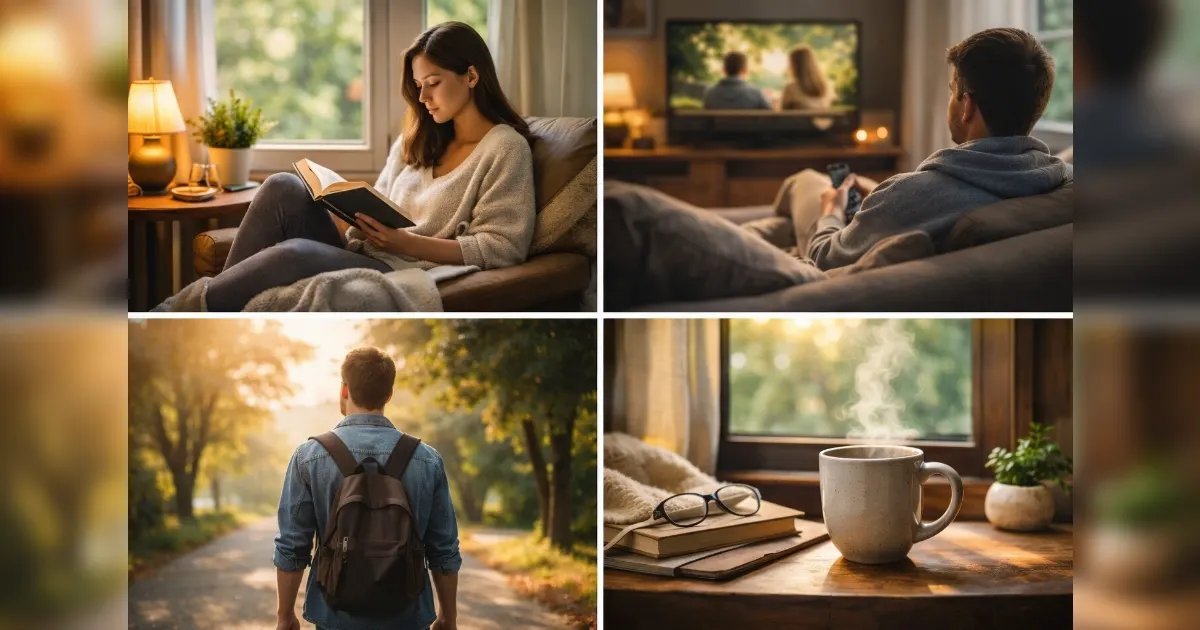
There are certain things people enjoy quietly, without announcing them. They are not impressive. They are not productive. And they are rarely shared on social media. Yet, these small moments bring genuine comfort.
When no one is watching, people behave differently. They relax their expectations. They stop performing. They allow themselves to enjoy simple things without judgment.
These private comforts are common, even if we rarely talk about them.
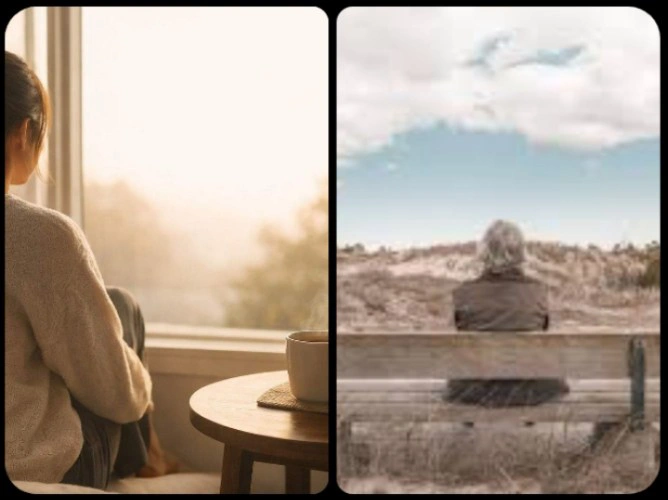
Sitting in Silence Without Doing Anything
Most days are filled with noise. Conversations, notifications, traffic, and constant movement. Silence often feels uncomfortable during the day.
But when no one is watching, sitting quietly becomes peaceful. No music. No phone. No task.
Just sitting.
It doesn’t look useful, but it feels grounding. Silence allows thoughts to slow down naturally without being forced.
Rewatching Familiar Content
Many people rewatch the same shows, videos, or scenes they already know well.
Not because they are bored, but because familiarity feels safe.
When no one is watching, there is no pressure to discover something new. Familiar content requires less emotional effort and brings a sense of comfort.
It’s not about excitement. It’s about ease.
Eating Slowly Without Distractions
When alone, people often eat more slowly.
They notice flavors. They pause between bites. They enjoy the food without rushing.
This kind of eating rarely happens in public or busy settings. But alone, it feels natural.
It turns a simple meal into a small moment of care.
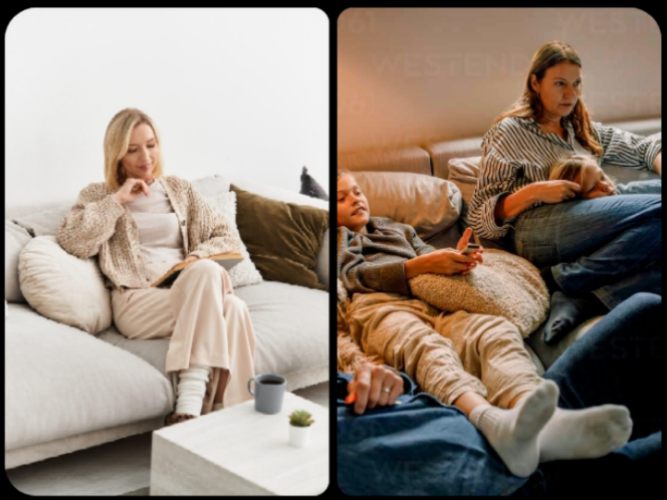
Wearing the Same Comfortable Clothes Repeatedly
People have favorite clothes they would never show off.
Soft shirts. Loose pants. Old sweaters.
When no one is watching, comfort becomes more important than appearance. These clothes may not look impressive, but they feel right.
This quiet choice reduces stress and makes the body feel relaxed.
Talking to Ourselves Out Loud
Many people talk to themselves when they are alone.
They explain thoughts, rehearse conversations, or simply think out loud. It helps organize emotions and ideas.
In public, this might feel strange. Alone, it feels natural.
It’s a form of self-connection that doesn’t need an audience.
Enjoying Simple Tasks Slowly
Small tasks feel different when done alone.
Washing dishes slowly. Folding clothes carefully. Cleaning without rushing.
These tasks become calming instead of annoying. There is no pressure to finish quickly. No one is evaluating efficiency.
The process becomes more important than the result.
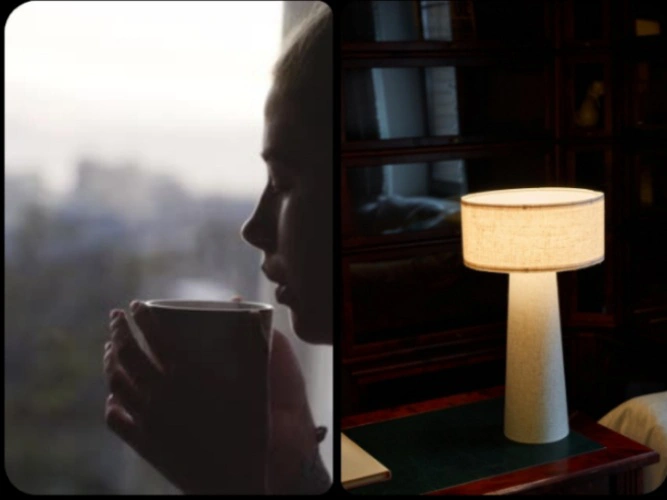
Letting Emotions Pass Without Explaining Them
When alone, people allow emotions to exist without labels.
They don’t ask why they feel tired, sad, or quiet. They don’t explain it to anyone. They simply let it pass.
This emotional honesty is rare in social settings but common in private moments.
It brings relief.
Doing Nothing Productive Without Guilt
When no one is watching, productivity loses its power.
People allow themselves to rest without justifying it. They don’t turn relaxation into a task. They don’t measure time.
This freedom reduces mental pressure and restores energy naturally.
Revisiting Old Memories Quietly
Alone, people often revisit old memories.
Not always happy ones. Sometimes ordinary moments from the past. They don’t analyze them deeply. They simply remember.
These moments feel personal and safe when kept private.
Enjoying Small Comforts Fully
A warm drink. A soft chair. A quiet room.
These small comforts don’t need validation. Alone, they feel complete.
There is no need to share them, photograph them, or explain them.
They exist only for the person experiencing them.

Why We Enjoy These Moments Privately
These moments feel good because they remove expectations.
There is no performance. No comparison. No audience.
When no one is watching, people reconnect with their natural rhythm. They stop trying to be impressive and start being comfortable.
This is where genuine rest happens.
Is Reading at Night Good or Bad?What You Should Know
Why We Rarely Talk About Them
Many of these habits feel too ordinary to mention.
They don’t fit productivity culture or social media trends. They don’t look exciting from the outside.
But their value lies in how they feel, not how they appear.
The Importance of Private Comfort
Private comfort protects mental health.
It allows people to reset emotionally. It reduces stress without effort. It reminds us that we don’t always need to perform or improve.
These moments quietly support balance in a demanding world.
Final Thoughts
Not everything meaningful needs to be shared.
Some of the most comforting experiences happen when no one is watching. They don’t ask for attention. They don’t require explanation.
They simply exist—and that is enough.
Allowing yourself these quiet moments is not laziness. It is care.