Many people believe that life changes because of big decisions.
We think success comes from one bold move, one perfect plan, or one major opportunity. We wait for the right moment, the right mood, or the right situation. But when we look closely at real life, change rarely happens that way.
Most change happens quietly.
It happens through small daily habits that don’t look important at first but slowly shape how we live, think, and feel.
Big Decisions Feel Powerful, But Habits Are Stronger
Big decisions feel exciting.
They make us feel in control. Choosing a career, starting a project, or setting big goals gives a rush of motivation. But that motivation often fades once daily life returns.
Habits don’t feel exciting.
They feel simple, boring, and sometimes meaningless. Yet habits are stronger than decisions because they repeat. What we repeat every day slowly becomes our lifestyle.
A big decision sets direction.
Daily habits decide whether we actually move.
Why Motivation Is Unreliable
Many people wait to feel motivated before they act.
The problem is motivation depends on mood. Some days we feel inspired, other days we feel tired, distracted, or stressed. If we rely on motivation, progress becomes inconsistent.
Habits remove the need for motivation.
When something becomes a habit, it happens even on days when energy is low. That is why small actions done regularly matter more than intense effort done once.
Consistency beats motivation every time.
Small Habits Build Self-Trust
Habits do more than change results.
They change how we see ourselves.
When you keep small promises to yourself, you slowly build trust. Waking up when you planned, reading a few pages, or completing a small task may seem minor, but each action sends a message to your mind: I can rely on myself.
This self-trust builds confidence quietly, without pressure.
Why We Underestimate Daily Actions
Small habits are easy to ignore because their impact is not immediate.
Drinking water today doesn’t change your life today. Writing for ten minutes doesn’t make you an expert instantly. These actions feel too small to matter.
But habits work through accumulation.
What feels useless today becomes powerful after weeks and months. Most people quit before results appear, not because habits don’t work, but because results are invisible at first.
Progress is slow before it is visible.
The Danger of Waiting for the “Perfect Time”
Many people delay change because they are waiting.
* Waiting for free time.
* Waiting for confidence.
* Waiting for the right conditions.
But life rarely becomes less busy. Waiting often turns into permanent delay. The best habits are the ones that fit into your current life, not an imagined perfect version of it.
You don’t need more time.
You need smaller habits.
How Simple Habits Reduce Stress
When habits are simple, they reduce mental pressure.
You don’t need to decide what to do every day. The decision is already made. This saves energy and lowers stress.
Examples of low-stress habits:
✓ Writing a short to-do list
✓ Stretching for a few minutes
✓ Organizing one small area
✓ Reading before sleep
These habits create structure, and structure brings calm.
Why Doing Less Actually Helps
Many people try to change too much at once.
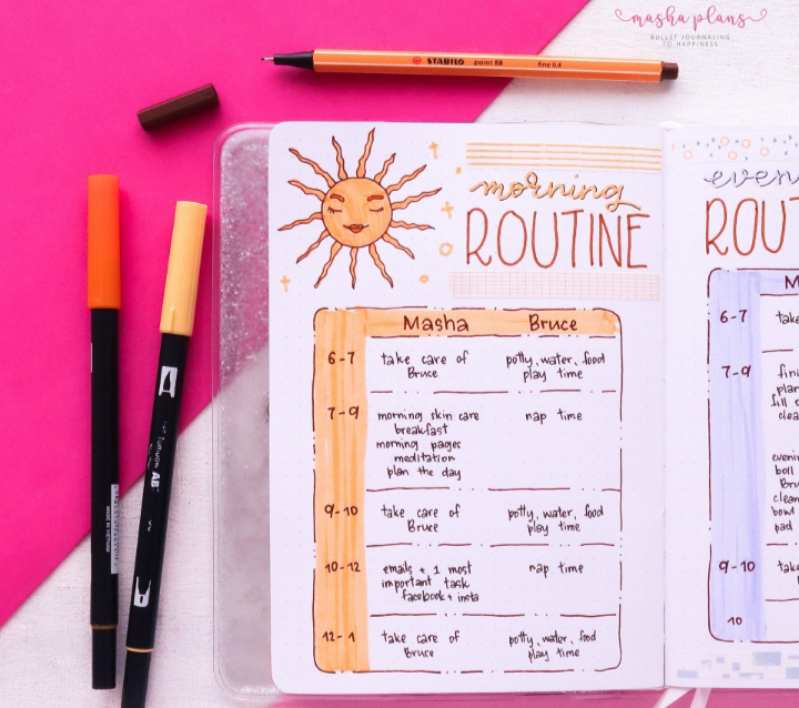
They create long routines, strict schedules, and high expectations. This often leads to burnout. When habits feel heavy, they don’t last.
Doing less makes habits sustainable.
A five-minute habit is better than a one-hour habit you quit. Starting small protects consistency and keeps pressure low.
Simple habits survive busy days.
Habits Shape Identity Over Time
What we do daily becomes part of our identity.
A person who reads daily starts seeing themselves as a reader. Someone who moves daily starts feeling more active. These identities grow naturally through repetition, not force.
You don’t become disciplined by trying hard once.
You become disciplined by showing up repeatedly.
Quiet Activities People Enjoy After Midnight(You will love it)
Why Progress Feels Slow But Is Real
Habits work quietly in the background.
That’s why they feel slow. But slow progress is stable progress. Fast change often disappears quickly, while slow change lasts.
Many people stop just before habits begin to show results. They think nothing is happening, but change is already forming under the surface.
Patience is part of the process.
How to Start Without Pressure
Starting habits should feel easy, not overwhelming.
Choose one habit. Make it small. Attach it to something you already do. Keep expectations realistic.
Instead of:
“I will change my whole routine”
Try:
“I will start with one small habit”
This approach keeps momentum alive.
Everyday Habits Create Long-Term Stability
Life doesn’t improve overnight.
It improves through repeated small actions that create stability. Habits bring order to chaos and give direction without stress.
You don’t need dramatic change. You need steady movement.
Final Thoughts
Big decisions may shape direction, but daily habits shape reality.
They don’t ask for motivation. They don’t demand perfection. They quietly build progress through consistency.
If you want lasting change, focus less on big plans and more on what you do every day.
Small habits may look simple, but over time, they shape everything.