
Many people believe they just need one long vacation to feel better. They wait for a holiday, a long weekend, or a special trip, hoping it will fix everything. For a few days, it usually works. Life feels lighter, stress disappears, and energy returns.
But once the vacation ends, daily life quickly takes over again. Stress slowly comes back, routines feel heavy, and exhaustion returns. This happens because rest was delayed for too long.
In reality, small daily breaks often matter more than big vacations.
Life Doesn’t Pause While We Wait for a Vacation
Daily life keeps moving. Work deadlines, responsibilities, family duties, and personal expectations do not stop just because a vacation is coming in the future.
When people wait months to rest properly, pressure builds up little by little. By the time the vacation arrives, they are already exhausted. Sometimes, even vacations feel tiring because the body and mind are trying to recover all at once.
Small daily breaks help prevent this buildup. They release stress regularly instead of letting it pile up.
What a Small Daily Break Really Is
A small break does not require money, travel, or planning. It also doesn’t need a lot of time.
A small break can be:
✓ Sitting quietly for five minutes
✓ Standing near a window and breathing
✓ Drinking tea without checking your phone
✓ Stretching gently between tasks
✓ Closing your eyes and resting your thoughts
These moments may look simple, but they give the mind space to slow down.
A Quiet Pause During the Day

This kind of pause resets the nervous system. It reminds the body that it does not need to stay alert all the time.
Why Small Breaks Feel Easier Than Big Vacations
Big vacations often come with pressure. People want everything to be perfect. They worry about time, cost, travel, and expectations. Sometimes, they return home feeling more tired than before.
Small breaks have no pressure. There is nothing to plan and nothing to prove. They fit naturally into everyday life. Because of this, they are easier to repeat and maintain.
Consistency matters more than intensity.
The Mental Benefits of Short Pauses
When the mind receives short pauses throughout the day, it functions better overall.
Small breaks help to:
* Reduce mental overload
* Lower stress levels
* Improve focus
* Increase patience
* Reduce emotional reactions
These benefits may feel subtle at first, but over time they create balance.
A Simple Break Without Screens

Stepping away from screens during breaks is especially helpful. Screens keep the brain stimulated. True rest comes from reducing input, not replacing one activity with another.
Why Many People Skip Small Breaks
One common reason people skip breaks is guilt.
Many believe that resting means being lazy or unproductive. This belief pushes people to work even when they are tired. Over time, this leads to burnout.
Breaks are not a sign of weakness. They are a form of maintenance. Just like sleep, they keep the system working properly.
Small Breaks Improve Mood and Relationships
When people are constantly tired, small problems feel bigger. Irritation increases, patience decreases, and conversations become tense.
Short breaks calm the nervous system. This emotional reset helps people respond more gently instead of reacting quickly. Relationships benefit when people feel rested and present.
Big Vacations Can’t Fix Daily Exhaustion
Vacations are enjoyable, but they cannot repair months of stress on their own. Once life returns to normal, old patterns usually return too.
Daily breaks address stress where it actually happens — in everyday routines. They reduce the need for escape by making daily life more manageable.
Why Simple Daily Habits Shape Our Life More Than Big Decisions
Building a Habit of Gentle Pauses
Small breaks work best when they become part of daily routine.
For example:
* A pause before starting work
* A quiet moment between tasks
* Slowing down before sleep
These habits are easy to maintain because they don’t require major changes
Why Rest Should Not Be Earned
Many people believe rest must be earned through hard work. This idea turns rest into a reward instead of a need.
But rest is a basic requirement. The body and mind need recovery regularly, not occasionally. Small daily breaks provide that recovery without waiting for exhaustion.
Balance Is Built Daily, Not Occasionally
Well-being does not come from rare events. It comes from regular care.
Daily breaks protect energy, focus, and emotional health. They help people stay connected to themselves even during busy times.
A Calm Ending to the Day
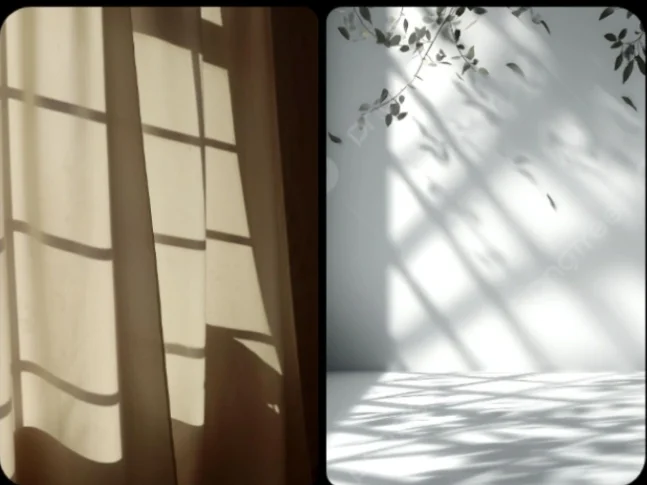
Ending the day gently is also a form of a small break. Quiet moments before sleep help the mind relax and prepare for rest.
Learning to Value Simple Rest
Small breaks teach an important lesson: rest does not need to be dramatic to be effective.
Silence, stillness, and simplicity often provide deeper recovery than busy entertainment or constant stimulation.
Final Thoughts
You don’t need to escape life to feel better. You don’t need to wait months for relief.
Small daily breaks offer quiet support exactly when you need it. They reduce stress, improve focus, and make life feel more balanced.
Big vacations are enjoyable, but small daily pauses are essential. Over time, these gentle moments protect your energy and improve how everyday life feels.