
Putting Oil in Your Belly Button? 5 Surprising Benefits and Hidden Risks
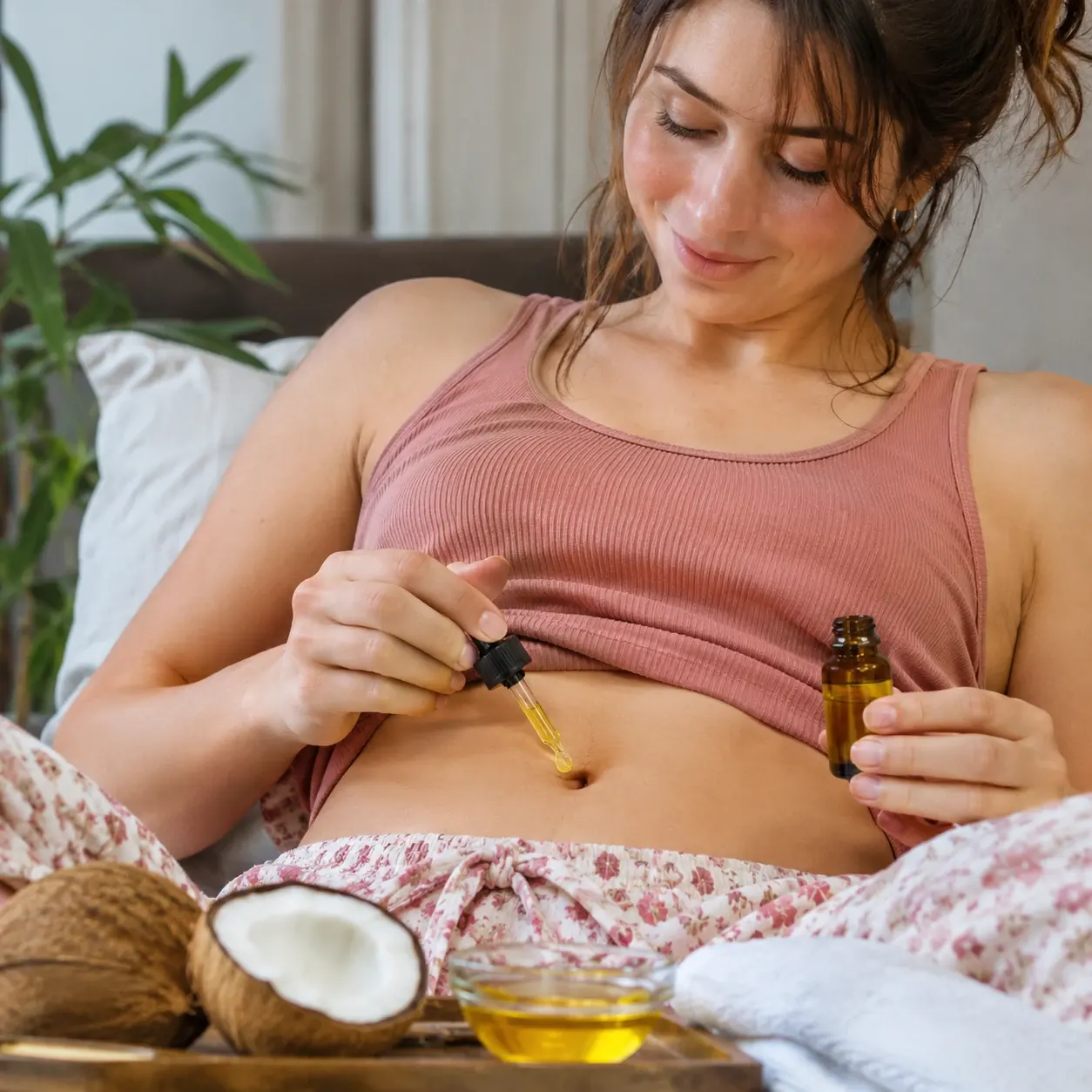
A few drops of oil in the belly button may seem like an unusual addition to a daily routine, but this simple practice has been passed down through generations in many parts of the world. Some people apply coconut oil before going to bed, while others prefer almond, olive, mustard, or castor oil.
The reasons vary. Some believe it helps with digestion, others associate it with softer skin, better sleep, or improved overall wellness. Videos and traditional home remedies have also made belly button oiling a subject of growing curiosity.
But does this familiar household practice actually do anything for the body? Can putting oil in your belly button improve your health, or are some of the claims simply traditional beliefs that have been repeated for years?
The truth is worth understanding before making it part of your routine. While certain oils can help moisturize skin, there is little scientific evidence that applying them specifically to the belly button provides benefits beyond the area where the oil touches the skin.
Why Do People Put Oil in Their Belly Button?
The practice is sometimes called navel oiling or navel pulling. It is associated with traditional wellness practices, including certain forms of Ayurvedic self-care.
The idea comes partly from the special role the belly button played before birth. During pregnancy, the umbilical cord connects a developing baby to the placenta, allowing oxygen and nutrients to reach the baby.
That early connection has contributed to traditional beliefs that the navel has a special relationship with different parts of the body.
However, the adult belly button is simply the healed mark left after the umbilical cord separates. It does not remain a special channel through which oils can travel to internal organs.
According to the Cleveland Clinic, the healed navel does not have an independent function in the body. It is primarily a physical landmark and an area that requires ordinary skin hygiene.
This does not mean people cannot enjoy the ritual. It simply means its benefits should be understood realistically.
5 Reasons People Use Oil Around Their Belly Button
There are several reasons people include belly button oiling in their personal care routines. Some have a reasonable connection to ordinary skincare, while others remain unproven.
1. It May Help With Dry Skin
One of the most practical reasons to use oil on the skin is to reduce dryness.
The skin around the belly button can become dry or rough, just like other areas of the body. A suitable moisturizer may help soften the skin and improve its appearance.
Some people prefer coconut or almond oil because of their moisturizing properties. However, applying oil around the navel is not the same as treating an underlying skin condition.
It is also important to remember that natural products are not automatically suitable for everyone. Certain oils can cause irritation or allergic reactions, particularly in people with sensitive skin.
2. It Can Be Part of a Relaxing Bedtime Routine
Some people enjoy applying a little oil and gently massaging their abdomen before going to bed.
The routine can feel soothing, especially after a long or stressful day. Taking a few quiet moments for personal care may help someone feel more relaxed.
However, there is no convincing evidence that putting oil inside the belly button directly improves sleep.
If someone finds the practice comforting, the relaxation may come from the gentle massage and calming bedtime routine rather than any special property of the navel.
3. It May Help Soften the Surrounding Skin
The belly button is an area that people sometimes overlook during their regular skincare routine.
Dryness can make the surrounding skin feel rough or uncomfortable. A suitable moisturizer applied to healthy external skin may help keep it soft.
Coconut oil, for example, is commonly used as a skin-conditioning product. But there is no reason to believe it becomes more effective simply because it is applied near the belly button.
For everyday skin care, choosing a product that suits your skin type is more important than following a particular traditional technique.
4. It Is Traditionally Associated With Better Digestion
One of the most frequently repeated claims is that putting oil in the belly button can relieve gas, bloating, and constipation.
This belief has appeared in traditional remedies and has become popular in online wellness discussions.
However, there is no reliable scientific evidence that applying castor oil, coconut oil, or another oil to the navel improves digestion.
Nebraska Medicine addressed this specific question in a 2025 health article, explaining that there is no scientific evidence that putting castor oil in the belly button reduces bloating.
For occasional bloating, more practical approaches include eating slowly, drinking enough water, identifying foods that trigger symptoms, and staying physically active.
If bloating happens frequently or comes with significant pain, it is worth discussing with a healthcare professional.
5. It Can Be a Personal Self-Care Tradition
Not every personal care habit needs to be a medical treatment.
For some people, belly button oiling is a family tradition. They may have learned it from a parent or grandparent and continued it because they enjoy the experience.
Others appreciate the simplicity of using a familiar oil as part of a quiet evening routine.
These personal experiences can be meaningful, even when the claimed medical benefits have not been established.
The important distinction is between enjoying a traditional practice and believing it can treat a health condition.
Explore More Like: 10 Surprising Reasons People Change the Way They Sit on the Toilet — What Toilet Posture Can Really Mean
Which Oil Do People Commonly Use?
Different oils are associated with belly button care. Each has its own characteristics, but none has been proven to provide special internal health benefits when applied to the navel.
Coconut Oil
Coconut oil is commonly used as a moisturizer. Some people like its smooth texture and use it to soften dry skin. However, it may not suit acne-prone or sensitive skin.
Almond Oil
Almond oil is another popular skincare option. It can help condition dry skin, but people with almond or tree-nut allergies should avoid it unless a healthcare professional confirms it is safe for them.
Olive Oil
Olive oil is widely used in cooking and is also found in some traditional skincare routines. However, it is not necessarily the best choice for every skin type.
Castor Oil
Castor oil is thick and has a long history of use in traditional remedies. It is often promoted online for digestion and detoxification when applied to the belly button, but these specific claims lack convincing scientific support.
Mustard Oil
Mustard oil is used in some traditional massage practices. However, it may irritate sensitive skin, so it should not be assumed to be a gentle option for everyone.
There is no medically established best oil for belly button application. For ordinary skin care, a fragrance-free moisturizer is often a simpler choice.
How to Care for Your Belly Button Safely
If your goal is to keep the area healthy, proper cleaning is more important than applying oil.
The Cleveland Clinic recommends gently cleaning the belly button with mild soap and water rather than using harsh products or scrubbing aggressively.
A few simple habits can help:
- Clean the area gently while bathing.
- Use mild, fragrance-free soap.
- Rinse away any soap residue.
- Dry the belly button thoroughly with a clean towel.
- Avoid allowing oil, lotion, or other products to collect inside a deep belly button.
If you want to moisturize dry skin, apply a suitable product to the surrounding external skin rather than pouring oil into the navel.
People with a new piercing, an open wound, or a recent surgical incision should follow their healthcare provider’s care instructions instead.
Are There Any Risks of Putting Oil in Your Belly Button?
Although applying a suitable oil to healthy skin may seem harmless, the belly button is not an area where more product is necessarily better.
The inside of a deep belly button can naturally remain warm and moist. Adding oil or lotion may trap moisture and debris, making proper cleaning more difficult.
The Cleveland Clinic notes that bacteria and other microorganisms can accumulate in the belly button, particularly when the area is not cleaned and dried properly.
Some oils may also cause skin reactions, including:
- Itching or redness.
- Irritation or a rash.
- Allergic reactions.
- Discomfort in already irritated skin.
If you notice swelling, pain, a persistent unpleasant smell, bleeding, or unusual discharge, do not try to solve the problem by applying more oil. Seek medical advice.
What Does Science Actually Say About Belly Button Oiling?
This is perhaps the most important part of the discussion.
There is currently no convincing clinical evidence that putting oil in the belly button improves digestion, balances hormones, increases fertility, boosts immunity, removes toxins, or treats internal health conditions.
The reason is relatively straightforward: after birth, the umbilical cord separates and the navel heals. The adult belly button does not function as a special delivery route for oils to reach the stomach, reproductive organs, or other parts of the body.
Some online claims refer to something called the Pechoti gland, supposedly located behind the navel and responsible for distributing oil throughout the body.
However, this gland is not recognized as an established anatomical structure in modern medicine.
AAP FactCheck has also examined claims about the supposed gland and found no scientific evidence supporting its existence.
This does not mean every use of oil is pointless. Oils can have ordinary skincare applications, and a gentle massage may feel relaxing.
But these effects should not be confused with proven treatment for internal health problems.
The Nebraska Medicine discussion of castor oil and bloating and the Cleveland Clinic’s guidance on belly button hygiene provide useful medical context for understanding the difference.
Frequently Asked Questions
1. Can putting coconut oil in your belly button improve digestion?
There is no reliable scientific evidence that applying coconut oil to the belly button improves digestion, reduces gas, or treats constipation.
2. Is it safe to put oil in your belly button every night?
There is no established health benefit to doing this every night. Applying oil inside the navel may trap moisture and debris. Keeping the area clean and dry is more important.
3. Does castor oil in the belly button help with bloating?
No convincing scientific evidence supports this claim. If you regularly experience bloating, consider discussing the symptoms with a healthcare professional.
4. Which oil is best for belly button care?
There is no scientifically established best oil for the navel. If the surrounding skin is dry, a suitable fragrance-free moisturizer may be a better option.
5. Can belly button oiling balance hormones or improve fertility?
No reliable clinical evidence shows that applying oil to the navel balances hormones or improves fertility. These claims should not be treated as medical facts.
Final Words: Is Putting Oil in Your Belly Button Worth Trying?
Putting oil in your belly button is an interesting traditional practice that continues to attract attention. For some people, it is a familiar family habit. For others, it is simply another wellness trend they want to understand.
There is nothing wrong with enjoying a gentle skincare routine, provided the products are suitable for your skin and the area remains clean and dry.
However, it is important not to expect a few drops of oil to improve digestion, balance hormones, increase fertility, or treat medical conditions.
The most realistic benefit is ordinary skin conditioning, and even that does not require applying oil inside the belly button.
Sometimes, understanding what a traditional remedy can and cannot do is more valuable than believing every benefit attached to it.
Medical References
- Cleveland Clinic – Belly Button Hygiene
- Nebraska Medicine – Castor Oil and Bloating
- Healthline – Does Belly Button Oiling Work?
Editor’s Note: This article is intended for general educational purposes and is not a substitute for professional medical advice, diagnosis, or treatment.
Latest Posts
- Putting Oil in Your Belly Button? 5 Surprising Benefits and Hidden Risks

- How to Rebuild Trust After a Serious Argument With Your Partner
- How to Keep a Marriage Strong During Financial Problems
- 8 Simple Ways Parents Can Build Trust and a Stronger Bond With Their Teenagers
- How to Create a Family Budget That Works on an Irregular Income
- 10 Signs a Relationship Is Becoming One-Sided and What You Can Do About It







About the Author
Hassan is the founder and editor of MidnightReads, a publication featuring thoughtful stories, human-interest articles, history, relationships, and entertaining reads.
He is involved in researching, writing, and editing content for the site, with a focus on creating original, clear, and useful articles that give readers something meaningful to take away.
Hassan believes good content should inform, entertain, and encourage curiosity.
— Hassan, Founder & Editor, MidnightReads