
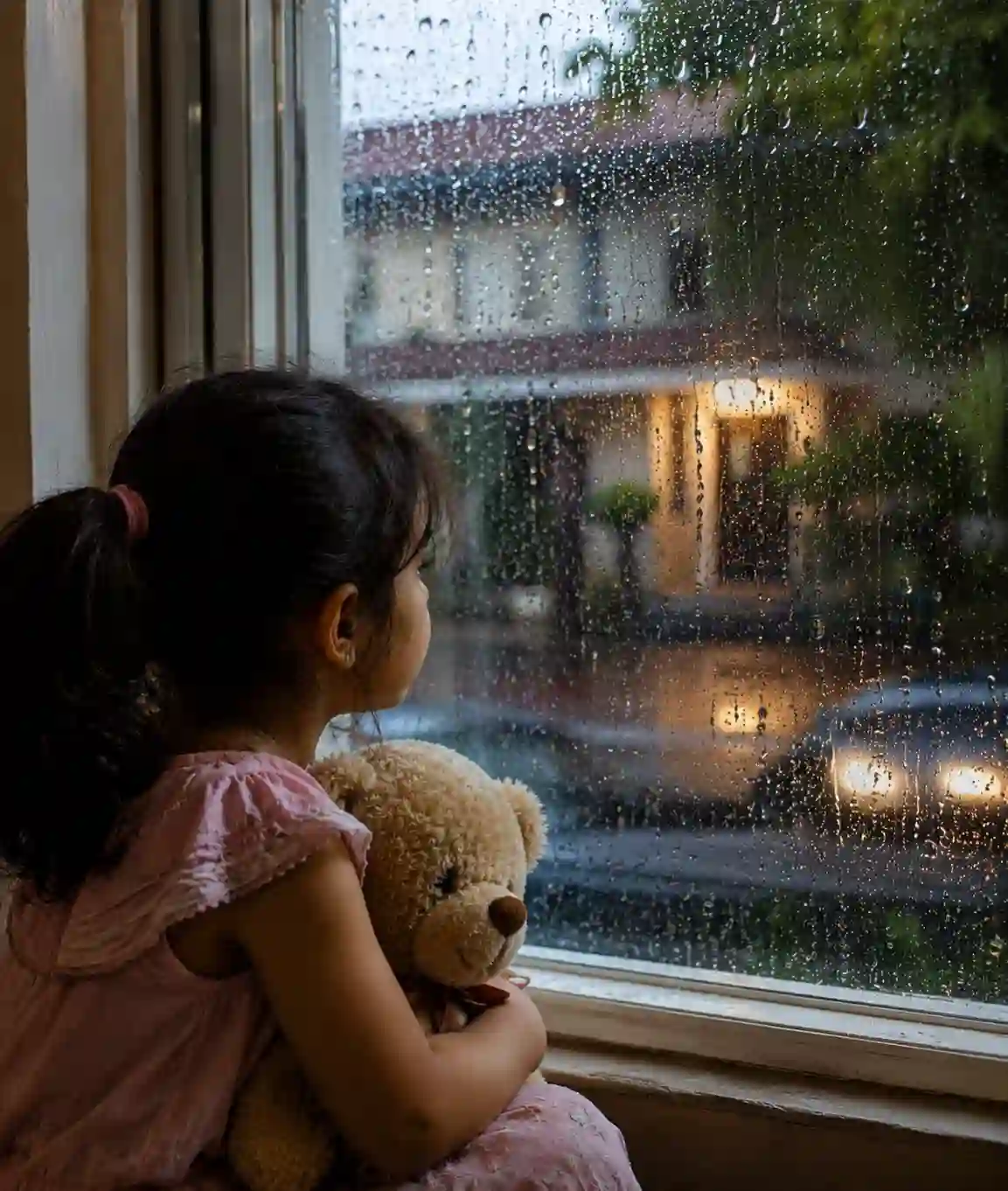
Before You Judge a Child Given Away to Relatives, Read This Entire Story…
Some stories are not written to gain sympathy.
They are written because silence becomes too heavy to carry.
What you are about to read is not just about adoption. It is about a little girl who spent years trying to understand why she never truly felt safe. It is about how a child can sense the difference between protection and danger long before she learns the meaning of those words. She was given away at 6 Months old to her relatives And it is about wounds that never fully disappear, even when everyone around you believes they did the right thing.
If you are a parent… read till the end.
If you are childless… read till the end.
And if you have ever believed that giving a daughter to relatives is an act of kindness, then this story may change your heart forever.
I was only six months old when I was placed into another woman’s lap.
No one asked me for my choice, of course. Babies are too small to speak, too helpless to protest, and too innocent to understand the decisions adults make for them. But that single decision shaped every corner of my life.

My father gave me to my aunt because she had suffered two miscarriages and could not have children. Everyone thought they were doing something noble. They believed they were filling an empty home with laughter. They believed they were healing a broken heart.
But nobody wondered what happens to the child whose world is silently taken away before she can even recognize her mother’s scent.
My aunt’s husband was a doctor, and because of his job we kept moving from one city to another. New streets. New schools. New houses. New faces. My childhood became a suitcase that was never fully unpacked.
Until eighth grade, I lived believing the woman I called “Ammi” was my real mother and the man I called “Abu” was my real father. Nobody told me otherwise.
But children feel things adults fail to notice.
Even as a little girl, I carried a strange heaviness inside me. I could never explain it. I often wondered why I didn’t feel close to the man I called father. Why his presence irritated me. Why his affection never comforted me the way it seemed to comfort other daughters.
At the time, I thought something was wrong with me.
I did not know the heart recognizes truth long before the mind does.
My childhood was not loud or dramatic. There were no visible bruises. No screaming headlines. From the outside, everything looked perfectly respectable. Ours was a religious household. Long beards. Prayers. Islamic gatherings. Respectable appearances.
But appearances can be dangerously deceiving.
Inside that home existed an environment that suffocated me.
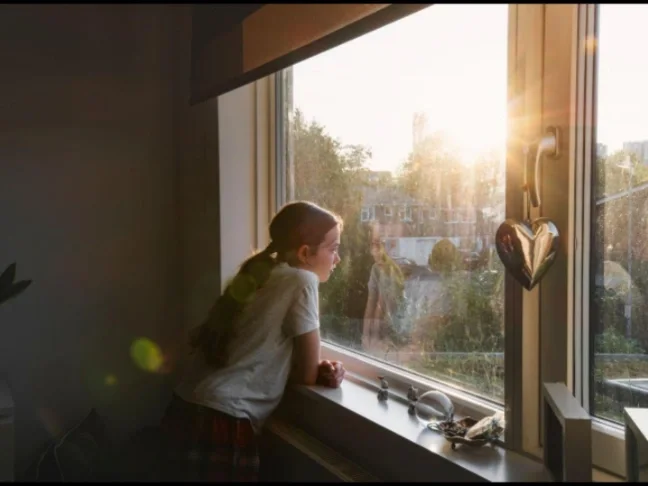
The gatherings were too mixed. Too open. Too “modern” in ways my young heart hated but could not explain. Men and women sitting casually together. Strange relatives entering freely. Loud laughter. Casual touching. Comfort without boundaries.
I was just a child, yet I would shrink into myself whenever guests arrived.
I remember wrapping myself tightly in a large shawl even in normal weather, as if layers of cloth could protect me from eyes that made my skin crawl. I did not know words like “inappropriate attention” or “male gaze.” I was far too young for such language.
But I knew discomfort.
I knew fear.
I knew the difference between a loving touch and a touch that made my entire body stiffen.
Whenever my uncle’s relatives visited, some of them would try to pull me into their laps or kiss my cheeks affectionately. Everyone else saw harmless family affection.
I felt trapped.
The moment certain hands reached toward me, panic rose inside my chest like smoke filling a room. I would escape, hide in another corner, lock myself in a bathroom, or pretend to be busy somewhere else.
And the worst part?
Nobody noticed.
Or perhaps they noticed and dismissed it as childish shyness.
Children are often forced to smile through discomfort because adults think obedience is good manners.
“Go greet uncle.”
“Sit with the guests.”
“Why are you acting rude?”
“Come hug them.”
People say these things so casually, never realizing they are teaching children to ignore their instincts.
But a little girl’s instincts are sharper than most adults understand.
A child can recognize hunger hidden inside someone’s eyes.
A child can sense safety in one touch and danger in another.
Even before she understands the meaning of lust, her soul understands contamination.
That house slowly changed me.
I was naturally mischievous, cheerful, loud, and full of life. I loved laughing. I loved talking endlessly. I loved harmless childish drama.
But over the years, that environment stole those parts of me one by one.
I became quieter.
More guarded.
I learned to observe before speaking.
I learned to sit carefully.
I learned that being invisible felt safer than being noticed.
Sometimes I would sit in school watching other girls laugh freely and wonder why happiness looked so easy for them.
School became my escape.
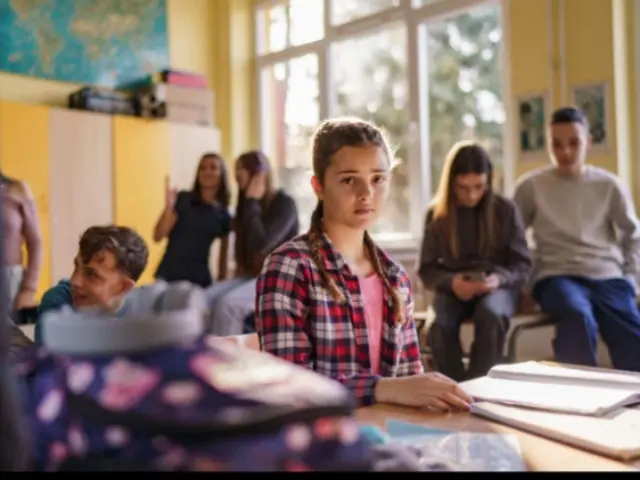
Not because I loved studying more than other children, but because school felt safe. There were classrooms, female friends, teachers, routines, and boundaries. No strange relatives forcing affection. No uncomfortable gatherings. No suffocating atmosphere pretending to be normal.
For a few hours each day, I could breathe.
I made friends easily there. They knew me as cheerful and talkative because the frightened version of me stayed hidden at home. Those friendships saved me more than they will ever know.
But the confusion inside me kept growing.
Why did I feel disconnected from my own family?
Why did I feel like a guest in my own house?
Why did every visit from certain people fill me with anxiety?
And why did I secretly wish to leave that house forever?
The truth finally came out when I was in eighth grade.
I had already heard whispers from people before.
“He’s not really your father.”
“You should call him uncle.”
“You know you were adopted, right?”
At first, I refused to believe them. Then curiosity slowly became desperation. One day I pressured my sister until she finally admitted the truth.
The people I believed were my parents… were not my real parents.
I cannot describe what that moment felt like.
It was as if the floor beneath my identity cracked open.
Suddenly everything made sense.
The emotional distance.
The unfamiliarity.
The constant feeling that something inside my life did not fit correctly.
I cried endlessly after learning the truth. Not because my aunt was cruel — she was actually kind and deeply caring. She loved me sincerely in the only way she knew how.
But love alone does not erase displacement.
A child belongs where her soul feels protected.
And despite my aunt’s kindness, she failed to recognize the environment around her. She trusted people too easily. She believed everyone’s intentions were pure because her own heart was pure.
Some women are so innocent they cannot imagine evil hiding behind polite smiles and religious appearances.
But children notice.
Children always notice.
By then I had already spent years silently fighting battles nobody knew existed.
Battles against unwanted attention.
Battles against forced affection.
Battles against feeling unsafe in gatherings others considered normal.
Battles against my own guilt for hating environments everyone else enjoyed.
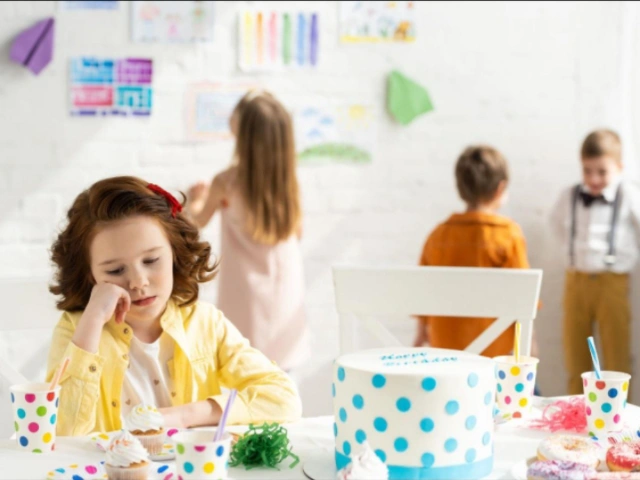
Eventually, I broke down completely and begged to leave.
I cried constantly. I insisted I did not want to stay there anymore.
Then one day, my brother came to take me back.
I still remember the moment vividly.
He placed his hand gently on my head and hugged me.
And for the first time in years… I felt peace.
That single embrace carried something I had been starving for my entire childhood: protection.
There was no discomfort in it.
No suffocation.
No hidden intention.
Just safety.
I cannot explain this properly unless you have experienced both kinds of touch in your life — the touch that steals your breath away in fear, and the touch that finally returns oxygen to your lungs.
When I returned to my real family, it felt like being born again.
I met my biological father after years and called him “Abu” with tears pouring down my face. I hugged him and cried like all the abandoned years inside me were finally collapsing at once.
I asked him one question again and again:
“Why did you give me away?”
Even today, I don’t think parents fully understand what separation does to a child.
People think babies forget.
No.
Bodies remember.
Hearts remember.
Souls remember.
Children may not have vocabulary for pain, but pain still shapes them quietly.
Returning to my real family changed me completely.
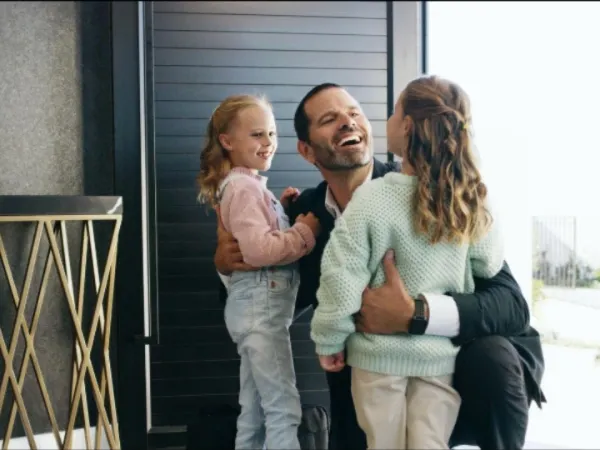
For the first time, I lived among relationships that felt naturally safe. Real siblings. Real boundaries. Real belonging. I no longer felt the need to hide inside oversized shawls.
I could laugh freely.
Speak loudly.
Exist without constantly monitoring every gaze around me.
And that is when I understood something important:
Safety is not luxury for a child. It is survival.
A protective environment allows a girl’s personality to bloom naturally. But an unsafe environment — even one hidden behind respectability — slowly crushes her spirit.
That is why I believe people should think a thousand times before giving away daughters to relatives.
Please understand me carefully.
I am not insulting adoption itself. There are orphaned children who genuinely need loving homes. There are ethical ways to care for children with dignity and proper boundaries.
But emotionally pressuring a mother into giving away her own child is cruelty disguised as sacrifice.
And giving away daughters without considering lifelong emotional and physical safety can become a silent tragedy.
People romanticize these decisions far too easily.
“Your aunt has no children.”
“She will raise her better.”
“You already have many kids.”
“Think about their pain.”
But nobody asks what happens to the child growing up confused between identities, relationships, and boundaries.
Nobody asks how many nights she spends crying silently.
Nobody asks why she suddenly becomes withdrawn.
Nobody asks why she fears certain gatherings.
Nobody asks why she hates being touched.
And sadly, when girls try to express discomfort, they are often dismissed.
“She’s overreacting.”
“She’s dramatic.”
“She’s rude.”
No.
Sometimes she is simply trying to survive.
I also want to say something many people may dislike hearing:
A girl instinctively recognizes the difference between a mahram relationship and a non-mahram one, even before she fully understands religion or biology.
Her body senses safety.
Her heart senses danger.
Her instincts scream long before adults notice anything wrong.
That is why forcing girls into uncomfortable affection with non-mahram men is deeply harmful.
Stop teaching daughters to ignore their discomfort just to appear “respectful.”
Teach them that their safety matters.
Teach them they are allowed to step away.
Teach them their instincts deserve trust.
And most importantly, listen when they become quiet around certain people.
Silence itself can be a warning.
Today, when I look back at my childhood, I do not only remember fear. I also remember the little girl inside me who fought every single day to protect herself despite not understanding why she needed protection in the first place.
She survived environments she could not explain.
She protected boundaries nobody taught her.
And she carried wounds nobody noticed.
This story is only a small piece of my life.
I shared it because somewhere another little girl may be hiding inside oversized clothes, avoiding gatherings, shrinking from certain touches, silently praying to feel safe.
And perhaps one parent reading this will rethink giving away their child.
Perhaps one mother will hold her daughter tighter tonight.
Perhaps one family will finally understand that children are not gifts to exchange between households simply because adults believe it is convenient.
A child is not charity.
A child is not compensation for someone else’s pain.
A child is a soul.
And souls remember everything.
If this story touched your heart, do not leave without sharing your thoughts below.
Someone out there may need to read this today more than you realize.
Thank you for reading till the end.
Explore more true emotional stories on our website — every story carries a lesson, a pain, or a truth hidden behind silence.
Related Posts
- 69 Days Beneath the Earth: The Extraordinary True Story of the 33 Chilean Miners

- A Husband’s Sacrifice for the Woman He Loved
- A King’s Hidden Visit and a Woman’s Strong Reply
- A Millionaire Watched a Struggling Mother Remove Baby Formula From Her Cart, Then He Noticed the One Small Item She Was Trying to Save





About the Author
Hassan is the founder and editor of MidnightReads, a publication featuring thoughtful stories, human-interest articles, history, relationships, and entertaining reads.
He is involved in researching, writing, and editing content for the site, with a focus on creating original, clear, and useful articles that give readers something meaningful to take away.
Hassan believes good content should inform, entertain, and encourage curiosity.
— Hassan, Founder & Editor, MidnightReads