
Introduction
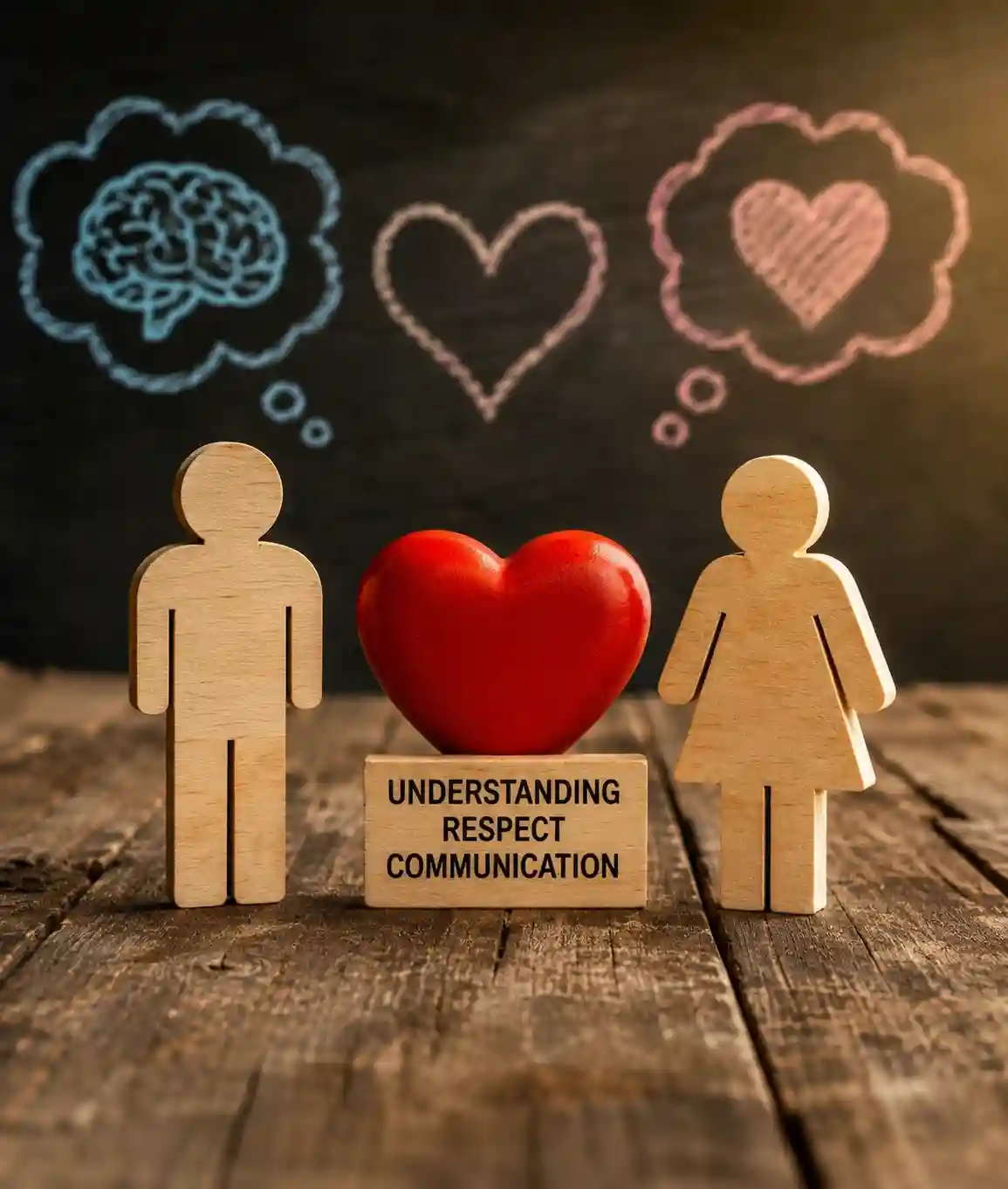
Relationship truths about men and women are popular topics on social media because they offer quick insights into how people think, communicate, and connect. While some of these ideas reflect common experiences, they should never be treated as rules that apply to everyone. Every individual is unique, shaped by personality, upbringing, culture, and life experiences.
The healthiest relationships are built on understanding each other as individuals rather than relying on stereotypes. Instead of asking whether all men or all women behave the same way, it’s far more helpful to ask how you can better understand your partner.
In this article, we’ll explore some common relationship observations, explain what they really mean, and share practical tips that can help couples build stronger, healthier, and happier relationships.
1. First Impressions Matter, but Character Matters More
Physical appearance often creates a first impression, but it doesn’t determine the future of a relationship. Confidence, kindness, honesty, and a positive attitude usually become much more important over time.
Attraction may begin with appearance, but lasting love grows through trust, respect, and shared experiences.
What you can do: Focus on becoming a kind, dependable, and genuine person rather than trying to impress others only with your looks.
2. Consistent Actions Build Stronger Trust
Words are meaningful, but actions create lasting confidence.
Showing up when your partner needs support, keeping promises, respecting boundaries, and being dependable all demonstrate genuine commitment.
Relationships become stronger through everyday consistency, not occasional grand gestures.
3. Everyone Connects in Different Ways
Some people enjoy bonding through activities such as traveling, exercising, cooking, or working on projects together.
Others feel closest through meaningful conversations, shared memories, and quality time.
Neither approach is right or wrong.
Healthy couples learn how their partner prefers to connect and make time for both activities and conversations.
4. Good Communication Solves More Problems Than Arguments
Every relationship experiences disagreements.
The difference between healthy and unhealthy relationships is often how those disagreements are handled.
Good communication means:
- Listening without interrupting
- Speaking respectfully
- Being honest about your feelings
- Looking for solutions instead of blaming each other
When both people feel heard, trust naturally grows.
5. People Express Emotions in Different Ways
Some individuals openly share their emotions.
Others prefer to think quietly before discussing how they feel.
Neither style is wrong.
Instead of expecting your partner to react exactly as you do, try to understand and respect their emotional style.
Creating a safe space for honest conversations strengthens emotional connection.
6. Respect and Care Are Equally Important
People often debate whether men need respect more or women need care more.
In reality, everyone benefits from both.
Healthy relationships include:
- Mutual respect
- Kindness
- Emotional support
- Appreciation
- Trust
- Loyalty
When respect and care exist together, love becomes stronger.
Explore more like: How to Earn Respect Naturally: 10 Simple Habits That Build Self-Respect
7. Stress Affects Everyone Differently
Stress changes people’s behavior.
One partner may become quiet.
Another may want reassurance and conversation.
Instead of making assumptions, ask simple questions like:
“How can I support you today?”
A caring conversation can prevent many misunderstandings.
8. Small Daily Habits Create Lasting Love
Long-term relationships aren’t built by expensive gifts alone.
Simple daily habits make a much bigger difference, including:
- Saying “thank you”
- Giving compliments
- Apologizing sincerely
- Spending quality time together
- Laughing often
- Celebrating small successes
- Supporting each other’s goals
These little moments strengthen relationships over time.
9. Avoid Relationship Stereotypes
No article can perfectly describe every man or every woman.
Some men are highly emotional.
Some women enjoy solving problems independently.
Some couples communicate constantly.
Others enjoy comfortable silence.
Understanding the individual will always be more valuable than believing stereotypes.
10. Practical Ways to Build a Healthier Relationship
Strong relationships require continuous effort.
Here are some habits that truly make a difference:
- Communicate honestly.
- Listen carefully.
- Respect personal boundaries.
- Appreciate small efforts.
- Be patient during disagreements.
- Forgive genuine mistakes.
- Spend meaningful time together.
- Encourage each other’s dreams.
- Continue learning about one another.
Healthy relationships aren’t perfect—they grow through teamwork and mutual understanding.
Common Relationship Myths
Myth: Men never cry.
Reality: Many men experience deep emotions but express them differently.
Myth: Women always want to talk about feelings.
Reality: Communication styles vary from person to person.
Myth: Love is enough.
Reality: Lasting relationships also require trust, honesty, respect, patience, and commitment.
What Research Suggests
Relationship experts generally agree that successful couples share several important qualities:
- Honest communication
- Mutual respect
- Emotional support
- Shared values
- Healthy conflict resolution
- Trust built over time
These qualities matter far more than trying to fit people into fixed categories based on gender.
What We Can Learn
The most valuable relationship lesson is simple:
Every person deserves to be understood as an individual.
Replacing assumptions with curiosity helps couples communicate better, resolve conflicts more peacefully, and build deeper emotional connections.
Strong relationships grow through empathy, patience, kindness, and consistent effort.
Final Thoughts
Social media often simplifies relationships into short lists and catchy statements. While these ideas can spark interesting conversations, real relationships are much more complex.
The happiest couples aren’t those who never disagree.
They’re the ones who continue listening, learning, forgiving, and supporting each other through every stage of life.
Instead of trying to fit your partner into a stereotype, focus on understanding who they truly are. That simple approach builds stronger relationships than any list of relationship “rules” ever could.
Frequently Asked Questions
Are these relationship truths true for everyone?
No. They describe common observations, not universal facts. Every person and every relationship is unique.
What is the most important part of a healthy relationship?
Trust, honest communication, mutual respect, empathy, and consistent effort from both partners.
Can communication improve a struggling relationship?
In many cases, yes. Respectful communication helps couples understand each other better, resolve misunderstandings, and strengthen emotional connection.
Conclusion
Healthy relationships are not built on assumptions or stereotypes. They grow through trust, respect, communication, patience, and kindness. When both partners make an effort to understand each other’s unique personalities and needs, they create a stronger and more meaningful connection that can last for years.
Enjoyed this article? Share it with someone who values healthy relationships, and explore more practical relationship advice and life tips on our website.
Related Posts

Hammad Ali
Co-Owner & Author
Hammad Ali is a co-owner and author at MidnightReads, contributing thoughtful and engaging articles across human-interest, life, history, relationships, and entertainment topics.
They help develop and create original, useful content designed to inform, entertain, and give readers something meaningful to take away.