
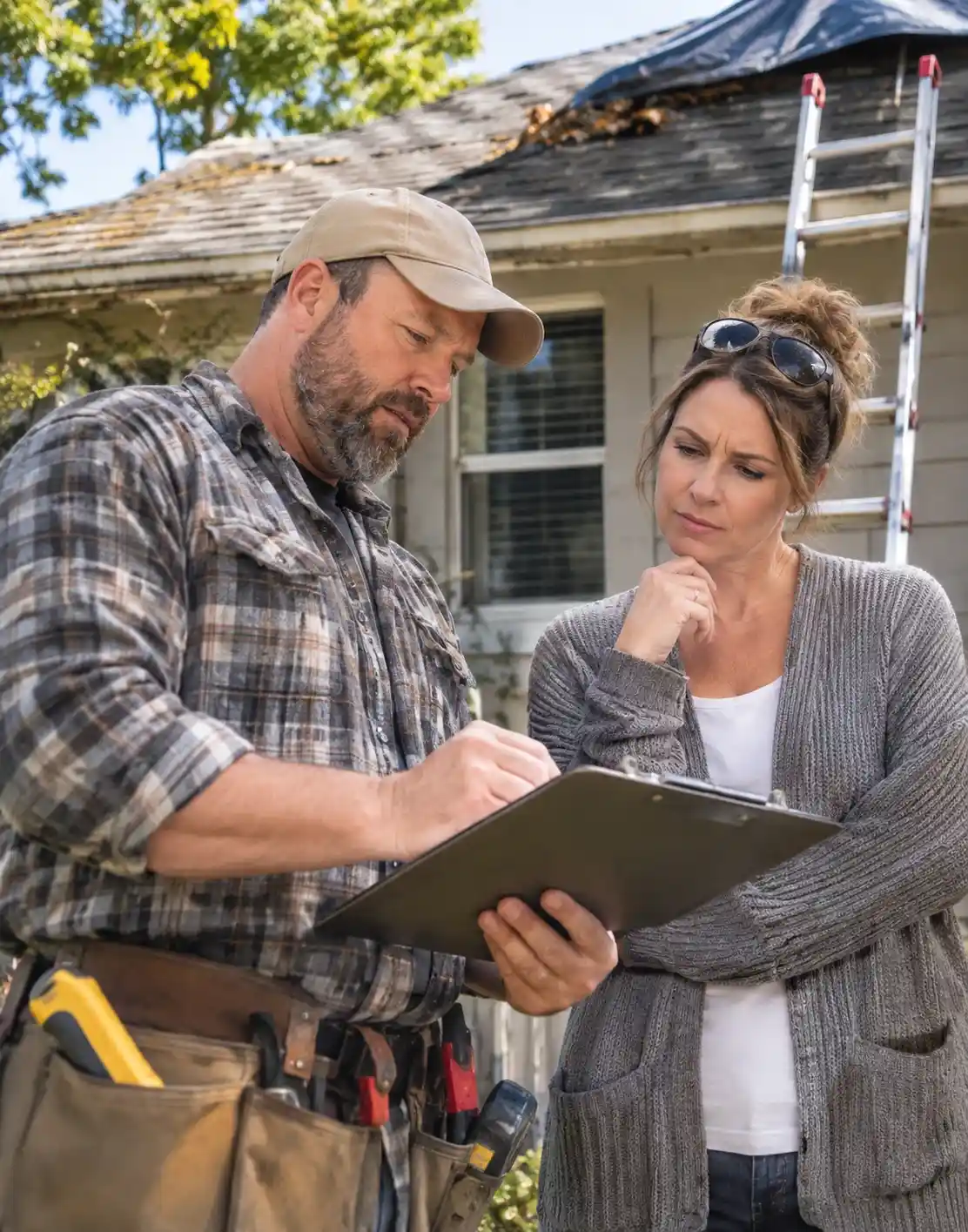
How to Hire a Home Repair Contractor: 9 Things to Check Before Signing an Agreement
A leaking roof, damaged bathroom, broken water heater, or cracked driveway can turn an ordinary week into an expensive problem. When something in your home needs attention, finding someone who can fix it may feel like the most important thing.
But choosing a contractor involves more than comparing prices or finding someone who can start tomorrow.
The person you hire may need access to your home, your personal belongings, and a significant amount of your money. A rushed decision can lead to unfinished repairs, unexpected expenses, or work that needs to be corrected later.
The good news is that homeowners can take several practical steps to reduce these risks before signing an agreement.
Whether you’re planning a small repair or a larger home improvement project, here are nine things worth checking before you Hire a Home Repair Contractor.
1. Confirm That the Contractor Is Properly Licensed
Licensing requirements vary depending on the state, county, city, and type of work involved.
Some projects require a specific professional license, while others may have different local requirements.
Before hiring someone, ask whether the contractor holds the licenses required for the work.
Don’t rely entirely on a business card, website, or verbal assurance. Contact the appropriate state or local licensing authority and confirm the information independently.
If the project involves electrical, plumbing, heating, or structural work, pay particular attention to the qualifications required for that specific job.
A contractor who is unwilling to provide basic licensing information deserves additional scrutiny.
2. Ask for Proof of Insurance
An accident during a home improvement project can create problems for both the homeowner and the contractor.
For example, someone could damage a neighboring property, accidentally break an expensive fixture, or get injured while working.
Ask the contractor for proof of relevant insurance coverage. Depending on the business and project, this may include general liability insurance and workers’ compensation coverage.
Don’t assume that every contractor has the same protection.
If you have questions about what the coverage includes, contact the insurance provider or your own insurance company for clarification.
The purpose is to understand who may be responsible if something unexpected happens.
3. Request at Least Three Written Estimates
Getting only one estimate makes it difficult to understand whether a proposed price is reasonable.
Whenever practical, request written estimates from three contractors.
Each estimate should describe:
- The work that needs to be completed.
- Materials and products included.
- Labor costs.
- Expected project duration.
- Additional charges that may apply.
- Any work that is specifically excluded.
Comparing estimates can reveal important differences.
For instance, one contractor might offer a lower price because the estimate excludes disposal of old materials. Another might include better-quality materials or additional preparation work.
The cheapest offer isn’t automatically the best value.
If one estimate is significantly higher or lower than the others, ask the contractor to explain the difference.
4. Check References and Previous Projects
Before choosing a contractor, ask for references from previous customers.
If possible, speak with homeowners who hired the contractor for work similar to yours.
Instead of simply asking whether they were satisfied, ask more specific questions:
- Did the contractor arrive when promised?
- Was the original estimate accurate?
- Were unexpected expenses explained?
- Was the work completed on schedule?
- Did the contractor clean the work area?
- How were problems handled?
You can also examine photographs of completed projects and read independent customer reviews.
Look for patterns rather than relying on one unusually positive or negative review.
A contractor’s reputation is easier to evaluate when you consider several different experiences.
5. Never Rely on a Verbal Agreement Alone
A friendly conversation may create the impression that everything is understood.
But memories differ, especially when a project becomes complicated.
Before work begins, request a written contract that explains exactly what both parties have agreed to.
The agreement should identify the contractor, describe the project, list the materials, explain the payment arrangements, and include estimated start and completion dates.
It should also explain how additional work or unexpected expenses will be approved.
Read every section carefully.
Never sign a contract containing blank spaces that could be completed later.
If something is unclear, ask for an explanation before signing.
Contract requirements and cancellation rights can vary by state and situation, so check the applicable local rules.
6. Be Careful With Large Upfront Payments
Contractors may reasonably request a deposit to schedule work or purchase materials.
However, a request for the entire project cost before work begins deserves caution.
Ask for a payment schedule connected to clearly defined stages of the project.
For example, payments might be arranged around agreed milestones such as:
- Initial scheduling and preparation.
- Delivery of specified materials.
- Completion of an agreed portion of the work.
- Final inspection and completion.
The appropriate arrangement depends on the size and nature of the project.
Avoid pressure to pay immediately through cash, gift cards, cryptocurrency, or wire transfers.
The Federal Trade Commission recommends avoiding full payment upfront and checking state or local rules about contractor deposits.
Keep receipts and records of every payment.
7. Understand What Happens if the Project Changes
Home repairs don’t always go exactly as planned.
A contractor might remove damaged flooring and discover additional problems underneath. A plumbing repair might reveal that another section of pipe also needs attention.
Unexpected discoveries do not automatically mean someone is dishonest.
The important question is how additional work will be handled.
Your agreement should explain that changes to the project, price, or schedule need to be discussed and approved.
Ask the contractor to provide a written change order describing:
- The newly discovered problem.
- The additional work required.
- The extra materials and labor.
- The revised price.
- Any change to the completion date.
This creates a clear record and reduces disagreements later.
Don’t feel pressured to approve additional expenses without understanding why they are necessary.
8. Check the Warranty and Final Inspection Arrangements
Before hiring a contractor, ask what happens if the work develops a problem after completion.
Some materials carry manufacturer warranties, while contractors may offer separate workmanship guarantees.
These are not necessarily the same thing.
Ask for details in writing:
- What is covered?
- How long does the coverage last?
- Who handles warranty claims?
- Are labor and materials both included?
- Are there exclusions?
You should also understand how the final inspection will take place.
Walk through the completed project, check the agreed work, and document any unfinished items.
Don’t make the final payment until the agreed work has been completed and you are satisfied, subject to your contract and applicable local requirements.
Keep copies of the contract, invoices, receipts, permits, warranties, and relevant communications.
9. Pay Attention to Pressure and Unusual Promises
Sometimes the biggest warning sign isn’t a contractor’s price. It’s the way they try to convince you to make a decision.
Be cautious if someone:
- Insists that you must sign immediately.
- Claims the price is available for only a few minutes.
- Refuses to provide a written estimate.
- Won’t show proof of licensing or insurance.
- Demands full payment before starting.
- Offers an unusually large discount without a clear explanation.
- Claims to have identified serious damage but discourages you from getting another opinion.
Be especially careful when someone approaches your home unexpectedly after a storm or other weather emergency.
The FTC warns that dishonest operators may take advantage of homeowners who urgently need repairs.
You are allowed to take time, compare offers, and ask questions.
A trustworthy professional should be willing to explain the work and provide the information you need to make a decision.
A Simple Contractor Hiring Checklist
Before agreeing to a home repair project, review these questions:
- Have I checked the contractor’s required license?
- Have I received proof of insurance?
- Have I compared multiple written estimates?
- Have I checked references and previous work?
- Do I understand the written contract?
- Is the payment schedule reasonable and documented?
- Do I know how additional work will be approved?
- Have I checked warranty details?
- Do I understand the final inspection and payment arrangements?
If several answers are no, take more time before committing.
Final Thoughts
Hiring someone to repair your home should not become another problem that needs fixing.
A little preparation can help you understand what you’re paying for, what work will be completed, and what protection you have if something goes wrong.
You don’t need to become an expert in construction to make a better hiring decision. You simply need to ask the right questions, compare the information you receive, and avoid making expensive commitments under pressure.
Your home is one of your most important investments. Taking time to choose the right professional is a sensible way to protect it.
Editor’s Note: This article provides general consumer information for U.S. readers. Contractor licensing, insurance, contract requirements, and cancellation rights vary by state and locality. Check your local requirements before hiring a contractor.
References
- FTC – Home Improvement Scams
- FTC – Home Repair Scams
- NAIC – Avoid Contractor Fraud
- FTC – Disaster Repair Scams
Related Posts
- How to Hire a Home Repair Contractor: 9 Things to Check Before Signing an Agreement

- How to Protect Your Family’s Important Information When Your Phone Is Lost or Damaged
- How to Maintain a Strong Relationship After Having Children
- How to Prevent Hair Loss: 12 Simple Habits That Help Keep Your Hair Healthy and Strong

- 8 Powerful Ways to Help a Friend Through Life’s Toughest Moments
- How to Talk to Your Spouse About Money Without Turning It Into a Fight






About the Author
Hassan is the founder and editor of MidnightReads, a publication featuring thoughtful stories, human-interest articles, history, relationships, and entertaining reads.
He is involved in researching, writing, and editing content for the site, with a focus on creating original, clear, and useful articles that give readers something meaningful to take away.
Hassan believes good content should inform, entertain, and encourage curiosity.
— Hassan, Founder & Editor, MidnightReads