
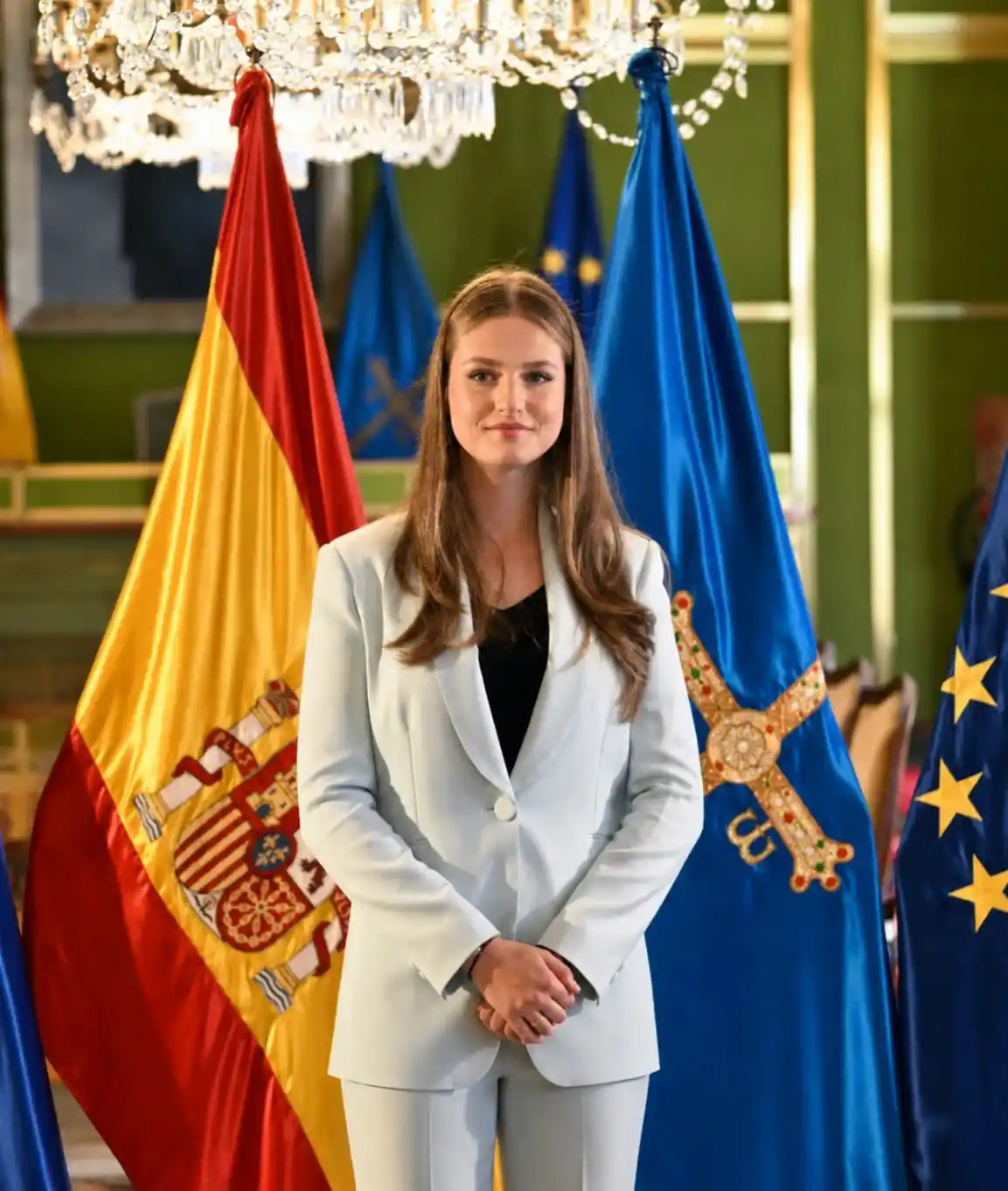
For centuries, Spain’s monarchy has been one of the country’s most important institutions, representing tradition, national identity, and constitutional continuity. Although the monarch no longer governs the country, the royal family continues to play an important ceremonial and diplomatic role.
Today, all eyes are on Princess Leonor, the eldest daughter of King Felipe VI and Queen Letizia. As the heir to the Spanish throne, she is preparing for a future unlike any seen in Spain for generations. If she eventually becomes queen, she will be Spain’s first reigning female monarch in nearly 150 years.
Her journey is not only a royal story but also an important chapter in Spain’s modern history.
Why the World Is Watching Princess Leonor
Princess Leonor has become one of Europe’s most closely watched young royals. Around the world, people are following her journey because she represents a new generation of leadership within one of Europe’s oldest constitutional monarchies.
Unlike the monarchs of previous centuries, modern royal families are expected to connect with people, support charitable causes, and represent their countries with dignity while remaining politically neutral.
Princess Leonor’s education, military training, and growing public responsibilities show that she is being carefully prepared for that role.
Who Is Princess Leonor?
Princess Leonor de Borbón y Ortiz was born on October 31, 2005, in Madrid. She is the eldest daughter of King Felipe VI and Queen Letizia. She also has a younger sister, Infanta Sofía.
Because King Felipe VI has no sons, Princess Leonor is first in line to inherit the Spanish throne under the country’s current succession laws.
From a young age, she has represented Spain during official ceremonies, national celebrations, and important state occasions. These experiences are helping prepare her for the responsibilities she will one day carry as Spain’s future head of state.
A Historic Oath Before Parliament
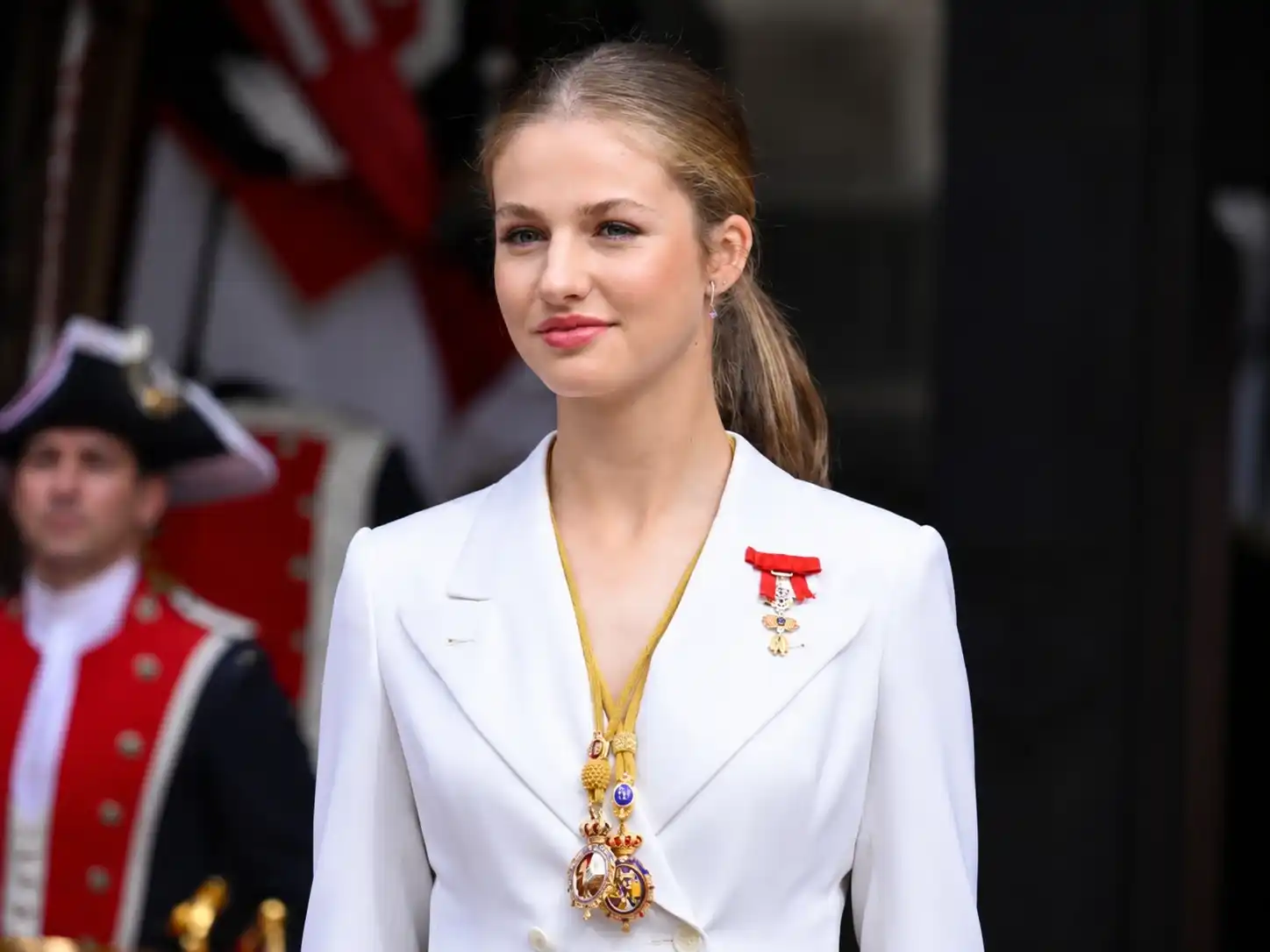
On October 31, 2023, Princess Leonor celebrated her eighteenth birthday by taking an oath before Spain’s Parliament.
During the ceremony, she pledged loyalty to the Spanish Constitution and officially accepted the constitutional responsibilities associated with her title, Princess of Asturias.
The event marked one of the most important milestones in her journey toward the throne and demonstrated her commitment to serving the country under Spain’s democratic constitutional system.
Many people viewed the ceremony as the beginning of a new chapter in Spain’s royal history.
Military Training for Future Leadership
Preparing to become a monarch requires more than public appearances.
Princess Leonor has completed extensive military training as part of her preparation for future constitutional duties.
She first attended the General Military Academy in Zaragoza, where she received leadership training, military education, and physical instruction.
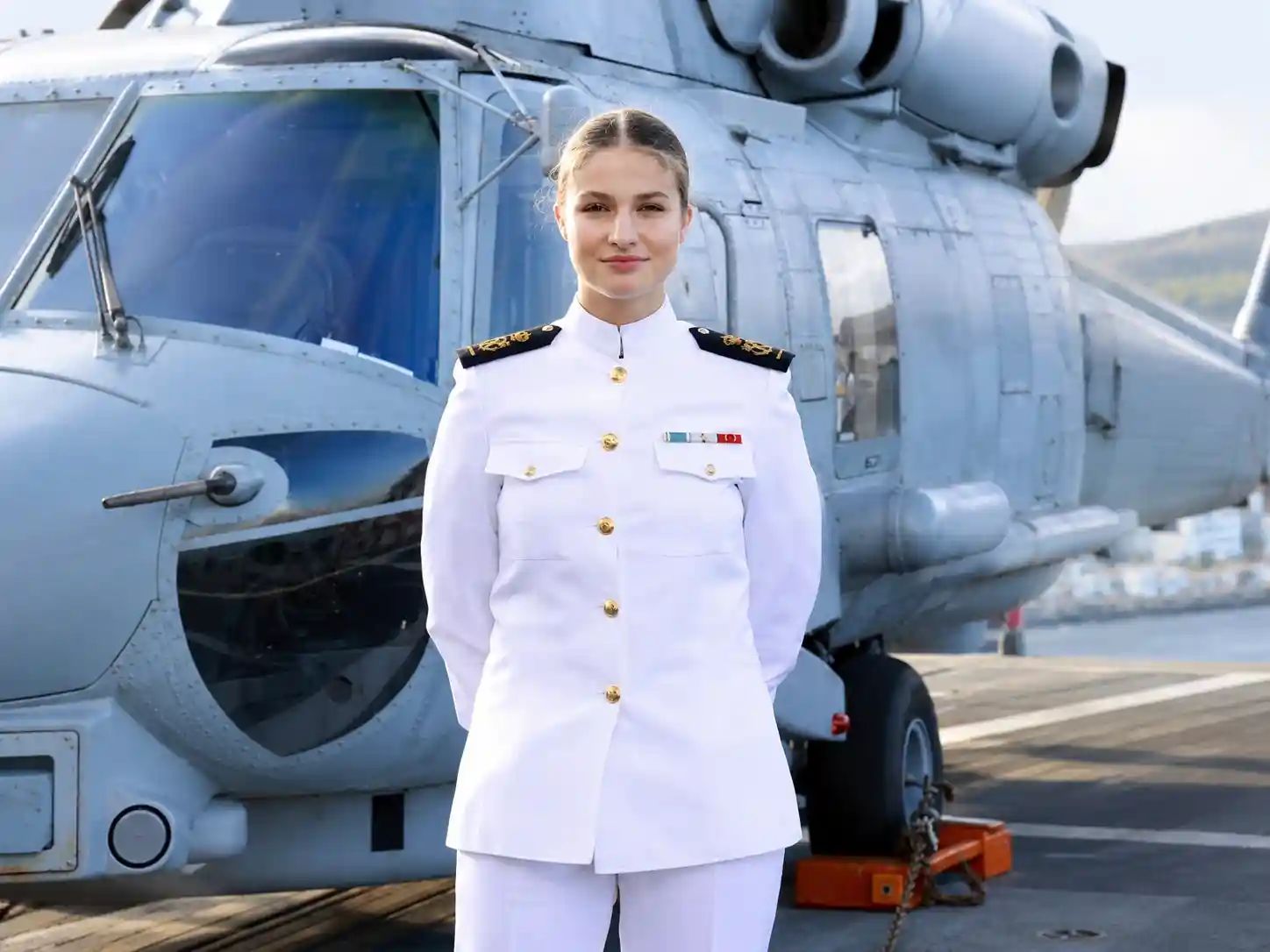
She later continued her studies at the Naval Military Academy and took part in an international training voyage aboard the famous naval training ship Juan Sebastián Elcano.
The final stage of her military education took place at the General Air Academy in Murcia, where she completed air force training that included parachute jumps, leadership exercises, and practical field training.
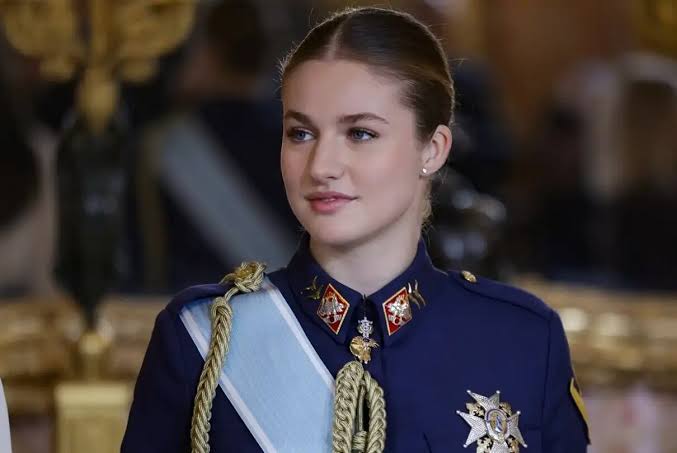
This education reflects the tradition that Spain’s monarch serves as the constitutional commander-in-chief of the country’s armed forces.
Education Beyond the Military
Military experience is only one part of Princess Leonor’s preparation.
She is expected to continue her higher education by studying subjects including constitutional law, diplomacy, international relations, economics, history, and political science.
These areas of study will help prepare her for representing Spain internationally while carrying out constitutional and ceremonial duties.
Modern monarchs must understand global affairs while remaining politically neutral and serving as symbols of national unity.
Understanding Spain’s Constitutional Monarchy
Many people assume kings and queens govern European countries, but Spain follows a different system.
Spain is a constitutional monarchy.
This means the monarch serves as the country’s official head of state, while elected leaders manage the government.
The Prime Minister and Parliament make political decisions.
The King or Queen performs constitutional duties, welcomes foreign leaders, represents Spain during official visits, and supports national unity through public service.
This system combines democratic government with centuries of royal tradition.
A Royal Family for Modern Spain
King Felipe VI has worked to modernize Spain’s monarchy by emphasizing transparency, responsibility, and public service.
Queen Letizia, who worked as a journalist before joining the royal family, has become known for supporting education, health, and cultural programs.
Princess Leonor is expected to continue that modern approach while respecting Spain’s long royal traditions.
Her calm public appearances, disciplined education, and commitment to service have earned praise from many royal observers.
Spain’s Royal History
Spain’s monarchy has existed for hundreds of years.
Its modern foundations were established in the late fifteenth century when Queen Isabella I and King Ferdinand II united the kingdoms of Castile and Aragon.
Their reign helped create the modern Spanish state.
Over time, Spain was ruled by both the Habsburg and Bourbon royal families.
The last reigning queen was Queen Isabella II, who ruled from 1833 until 1868.
Since then, every Spanish monarch has been a king.
If Princess Leonor eventually succeeds her father, she will become Spain’s first reigning queen in nearly a century and a half.
Explore More like: Queen Elizabeth II Tourist Story: The Day Two Americans Didn’t Recognize the Queen
The Return of the Monarchy
Spain’s monarchy was abolished in 1931 when the Second Spanish Republic was established.
After General Francisco Franco’s dictatorship, the monarchy returned in 1975 when King Juan Carlos I became king.
He played a major role in guiding Spain toward democracy.
In 2014, King Juan Carlos abdicated, and his son, King Felipe VI, became Spain’s current monarch.
His reign has focused on strengthening public confidence in the institution while adapting to modern expectations.
Why Princess Leonor’s Future Reign Matters
Princess Leonor’s future coronation will represent much more than royal succession.
Her accession would mark the return of a female sovereign after nearly 150 years and symbolize the continuing evolution of constitutional monarchies.
Many people also view her future reign as an important milestone for women’s leadership in Europe.
Although the monarch does not govern the country, the position remains an important national symbol representing continuity, stability, and public service.
Challenges Ahead
Becoming queen also brings significant responsibility.
Modern monarchs live under constant public attention.
Every speech, public appearance, and official visit receives widespread media coverage.
Princess Leonor will be expected to balance centuries-old traditions with the expectations of younger generations while remaining politically neutral and representing all Spaniards equally.
Frequently Asked Questions
Who is Princess Leonor?
Princess Leonor is the eldest daughter of King Felipe VI and Queen Letizia. She is the heir apparent to the Spanish throne.
Will Princess Leonor become Queen?
If the current line of succession remains unchanged, Princess Leonor is expected to become Queen of Spain after her father.
Why is Princess Leonor making history?
She is expected to become Spain’s first reigning queen since Queen Isabella II, whose reign ended in 1868.
What does the King or Queen do in Spain?
Spain is a constitutional monarchy. The monarch serves as the country’s head of state, performs constitutional and ceremonial duties, and represents Spain both nationally and internationally, while the elected government manages political affairs.
Final conclusion
Princess Leonor’s journey toward becoming Spain’s future queen represents an important moment in the country’s history. Through years of education, military training, and public service, she is preparing for one of Europe’s oldest constitutional monarchies.
If she eventually takes the throne, Spain will welcome its first reigning queen in nearly 150 years. Her reign would not only continue centuries of royal tradition but also reflect the changing role of women in leadership in the modern world.
Whether viewed from a historical, cultural, or constitutional perspective, Princess Leonor’s future remains one of the most fascinating stories in European royalty today.
References
- Official Royal Household of Spain
- Constitution of Spain (1978)
- Spanish Parliament (Congreso de los Diputados)
Related Posts

Hammad Ali
Co-Owner & Author
Hammad Ali is a co-owner and author at MidnightReads, contributing thoughtful and engaging articles across human-interest, life, history, relationships, and entertainment topics.
They help develop and create original, useful content designed to inform, entertain, and give readers something meaningful to take away.