
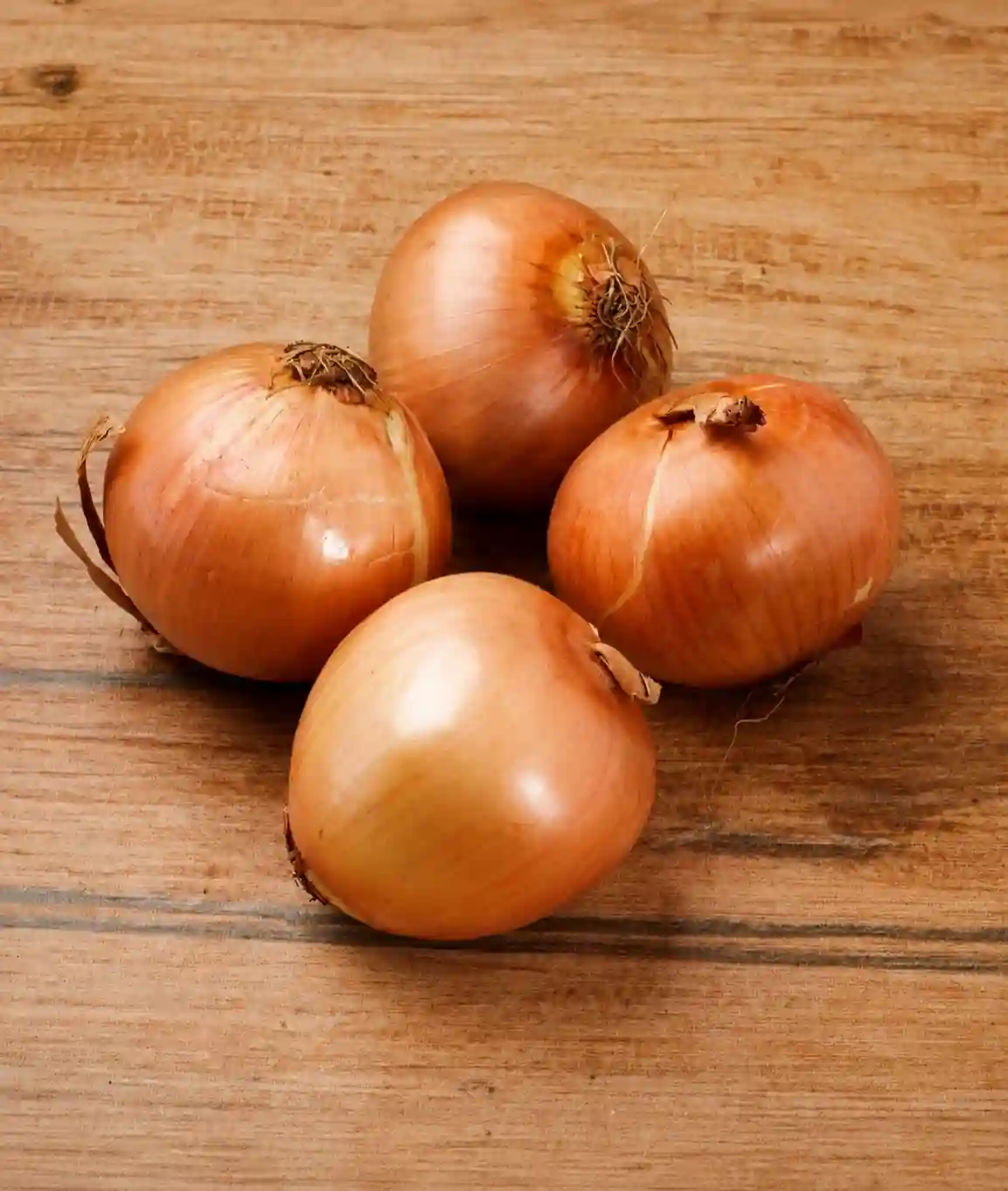
Most of us use onions almost every day without giving them much thought.
Health benefits of onions are often overlooked because onions are such a common kitchen ingredient. We add them to soups, curries, salads, sandwiches, and everyday meals without thinking much about what they actually contribute beyond flavor.
But onions have been valued in traditional diets for generations and not because they are considered a miracle food, but because they are simple, affordable, and naturally rich in helpful nutrients.
You may have seen claims online saying onions boost immunity, protect the heart, improve circulation, support blood sugar, or help the body “detox.”
Some of these ideas have truth behind them. Others are often exaggerated.
So what does a balanced, realistic look at onion benefits actually tell us?
Let us take a closer look.
More Than Just Flavor
Onions belong to the same family as garlic, leeks, and shallots.
They contain naturally occurring compounds along with nutrients such as:
- Vitamin C
- Fiber
- Folate
- Potassium
- Plant antioxidants
- Sulfur-containing compounds
None of these nutrients work alone. Their value comes from becoming part of an overall healthy eating pattern.
That may sound less exciting than dramatic social media claims but it is usually how real nutrition works.
1. Onions May Support Normal Immune Function
One of the most repeated health claims about onions is that they strengthen the immune system.
That statement is easy to misunderstand.
No single food can instantly improve immunity or prevent illness.
However, onions do contain nutrients that contribute to normal body function.
Vitamin C supports several processes involved in immune health, while antioxidants help protect cells from everyday stress.
This doesn’t mean eating extra onions means getting sick less often.
But regularly including vegetables in meals is one small habit that supports long-term wellness.
Explore more like: What Your Nails May Reveal About Your Health (And What They Don’t)
2. Their Antioxidants Make Them Nutritionally Interesting
If onions have one standout quality, it may be their natural antioxidants.
Antioxidants help the body manage oxidative stress—a process connected with everyday wear and tear inside the body.
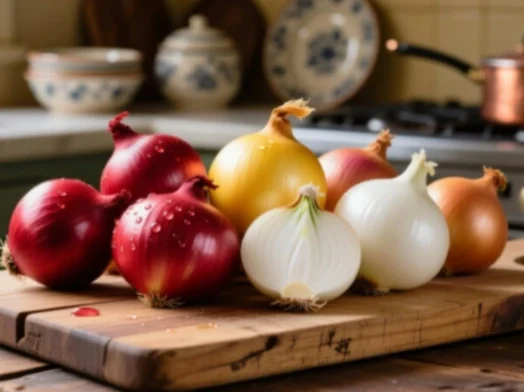
Red onions are especially known for containing antioxidant compounds.
That does not make them superior to every other vegetable.
It simply means they bring nutritional value while adding flavor at the same time.
One practical benefit of flavorful ingredients is that they can make healthy meals more satisfying.
3. Onions and Heart Health: A More Realistic View
Many people associate heart health with expensive supplements or strict diets.
But daily eating habits usually matter more.
Research continues to explore how onion compounds may support healthy circulation and normal blood vessel function.
Still, it is important to stay realistic.
Eating onions alone will not protect the heart.
Heart health is influenced by many factors including:
- Physical activity
- Sleep
- Stress levels
- Balanced eating habits
- Medical care when needed
Onions can simply be one helpful part of that bigger picture.
4. Can Onions Help Support Blood Sugar Balance?
This is another claim that often appears online.
Some studies suggest certain compounds found in onions may play a role in normal metabolic processes.
But “may support” is very different from “controls blood sugar.”
People living with blood sugar concerns should never replace professional advice with food trends.
That said, onions are naturally low in calories and fit easily into balanced meals.
5. A Benefit That Deserves More Attention: Digestive Health
When people talk about onions, digestion usually gets ignored.
But onions naturally contain fibers that can support beneficial bacteria in the digestive system.
Healthy digestion affects more than comfort.
It plays a role in:
- Nutrient absorption
- Daily energy
- Overall wellness
This is one reason nutrition experts often encourage including a variety of vegetables in regular meals.
6. What About Colds, Coughs, and Traditional Remedies?
Many families have traditional home remedies involving onions.
Warm onion soup.
Onion mixed into homemade recipes.
Comfort foods passed from one generation to another.
These traditions often continue because warm meals, fluids, and rest help people feel better.
But onions themselves should not be viewed as a treatment for flu or infections.
Traditional food habits and medical care can exist together without replacing each other.
7. The Truth About “Detox”
Detox has become one of the most popular health words online.
But the reality is less dramatic.
Your body already has systems designed for processing and removing waste.
Your liver, kidneys, digestive system, and other natural processes handle this continuously.
Foods like onions support overall nutrition but they do not act as a shortcut detox solution.
Sometimes the healthiest message is also the simplest one.
Raw or Cooked: Which Is Better?
There is no perfect answer.
Raw onions:
- Stronger flavor
- Crisp texture
- Retain some heat-sensitive nutrients
Cooked onions:
- Sweeter taste
- Easier for many people to digest
- Blend naturally into meals
The better option is whichever helps you enjoy balanced meals consistently.
Easy Ways to Add More Onions to Everyday Meals
You do not need special recipes.
Try adding onions to:
- Morning eggs
- Salads
- Rice dishes
- Soups
- Sandwiches
- Roasted vegetables
- Homemade sauces
Small habits are usually easier to maintain than dramatic diet changes.
Frequently Asked Questions
Are red onions healthier than white onions?
Both can fit into a healthy diet. Red onions are often highlighted for their antioxidant content, but variety matters more than choosing one type.
Is it better to eat onions raw?
Not necessarily. Raw and cooked onions each have advantages.
Can onions cure illness?
No. Onions support nutrition but should not replace proper medical care.
How often should you eat onions?
There is no required amount. Enjoy them as part of balanced meals.
What you get
Onions probably won’t become the most exciting food in your kitchen.
But they also don’t need to.
They are affordable, widely available, flavorful, and full of small nutritional benefits that can contribute to a healthier eating pattern.
In a world full of expensive trends and dramatic health promises, there’s something refreshing about remembering that good habits often start with simple ingredients.
The next time you chop an onion for dinner, you may see it as more than something that makes your eyes water.
You may see it as one small ingredient that quietly earns its place on the table.
Author Note:
This article is for informational and educational purposes only and should not be considered medical advice.
Related Posts

Hammad Ali
Co-Owner & Author
Hammad Ali is a co-owner and author at MidnightReads, contributing thoughtful and engaging articles across human-interest, life, history, relationships, and entertainment topics.
They help develop and create original, useful content designed to inform, entertain, and give readers something meaningful to take away.